Who we are
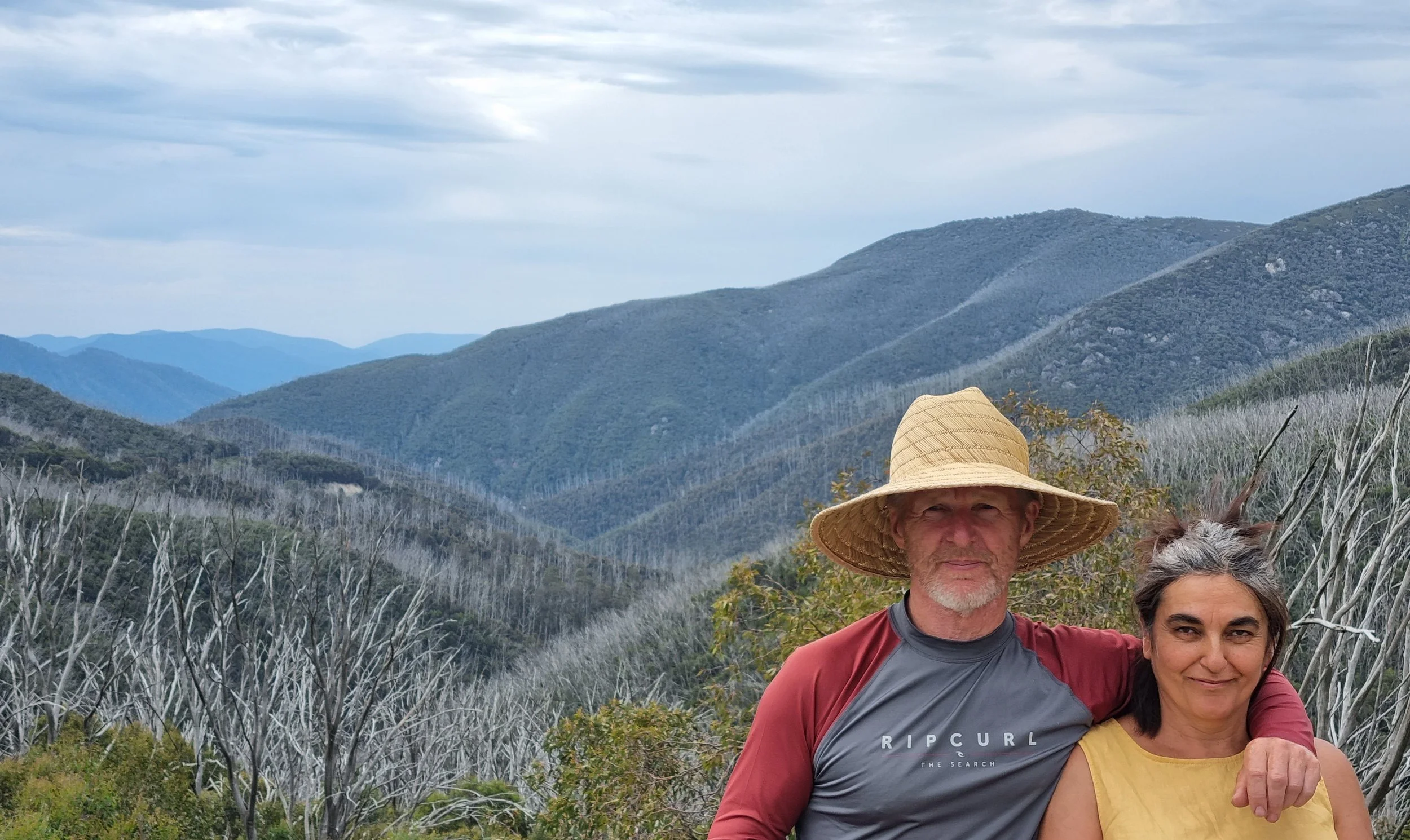
Brian and Luisa come from different corners of the world, but they share the curiosity, connection to the land, and a deep appreciation of nature.
Brian’s path began in Australia, where an early fascination with growing vegetables became a lifelong pursuit. His journey took him from horticulture studies at the University of Western Sydney to a PhD in Plant Molecular Biology at ENSAT in France. Along the way, he became a researcher, a teacher, and a collaborator, someone who could move between the precision of genetics and the practical wisdom of farmers. One of his most valued initiatives has been partnering with small‑scale farmers in Japan, where he has taken undergraduate students for hands‑on internships in traditional and innovative agricultural systems and where they learned not just agricultural techniques, but the cultural and human stories behind them. Whether in the lab, the classroom, or the field, he is driven by the belief that good science and good agriculture go hand in hand.
Luisa’s story began on a small Portuguese farm, where food was not just sustenance but heritage. The rhythms of planting, harvesting, and sharing meals shaped her early life and stayed with her even as she moved into the world of psychology. At Uppsala University in Sweden, she earned her PhD studying how the interaction between the person and society shapes individual prejudices and discriminatory behaviour. She is especially interested in how behavioural science can help understand and promote more sustainable food habits and environmentally attuned ways of living. Her blend of scientific insight, farming heritage, and passion for food gives her a unique perspective on community-centred food systems.
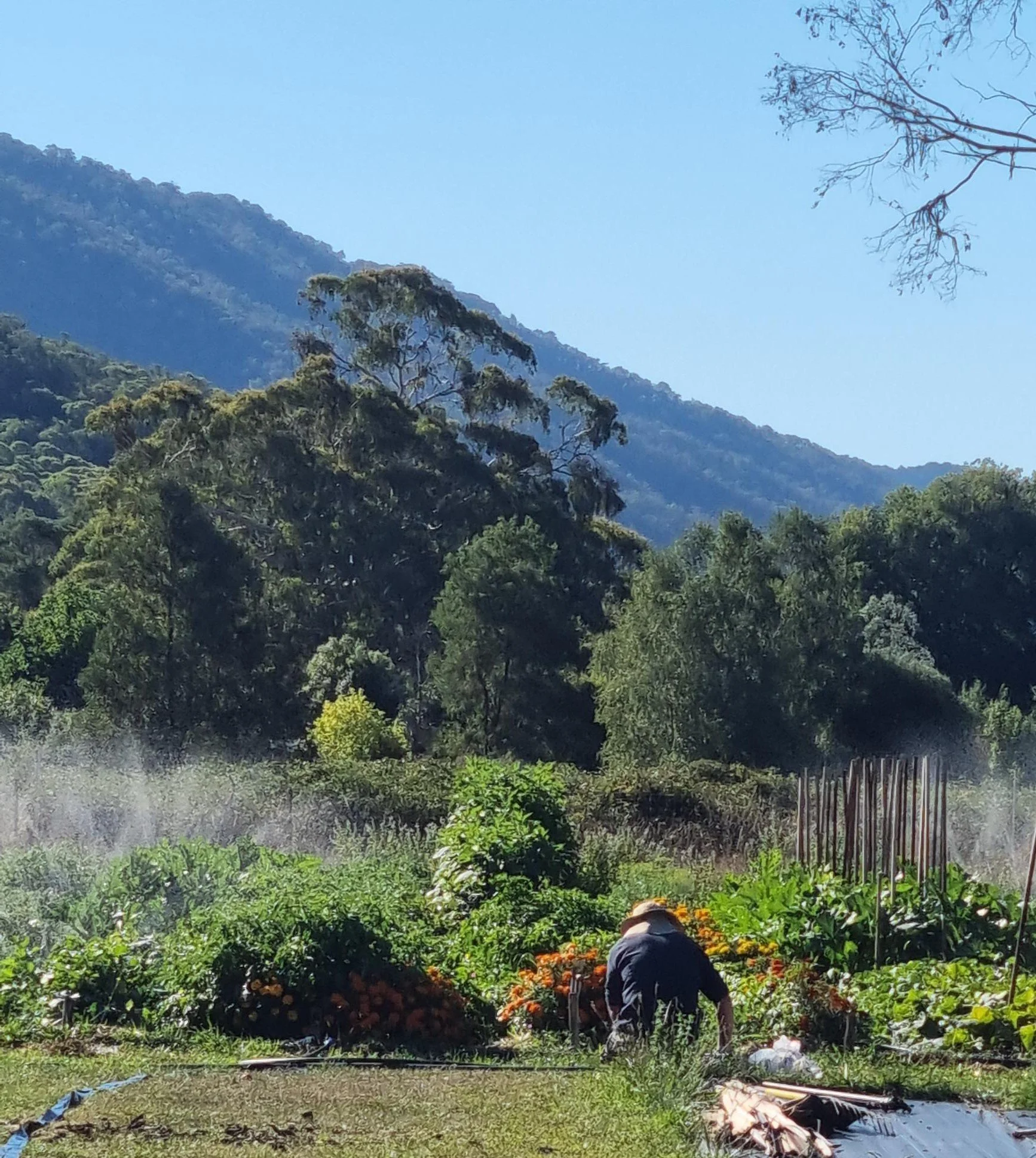
Throughout their academic journeys, a quiet longing for the land stayed with them, finally coming to fruition when they acquired the Smoko farm. Together, Brian and Luisa combine the world of plants with the world of humans, molecular and social, the global and the local. Their shared commitment to sustainable, responsible food production is shaped by a belief that growing food is ultimately about caring for nature, growing connections between people and the land, and between tradition and innovation. Their work is guided by the idea that sustainable food production and consumption have the power to nourish the body and care for the environment.
Commitment to Planetary Health Diet
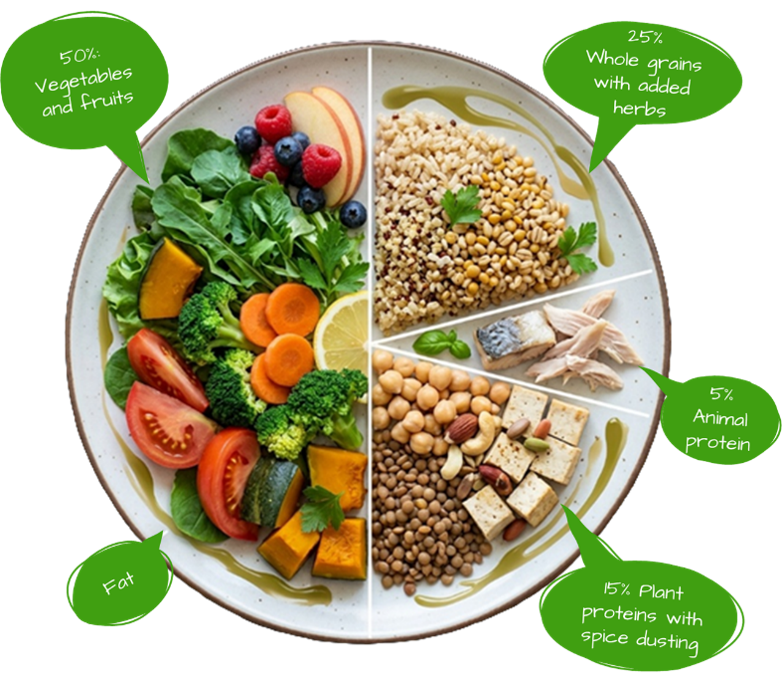
We are committed to the Planetary Health diet by educating people about how their diet can optimize their health and that of the planet.
A Planetary Health Diet plate should contain:
50% vegetables and/or fruits (leafy greens, tomatoes, carrots, broccoli, pumpkin, seasonal fruits)
25% whole grains (brown rice, quinoa, barley, whole‑grain pasta, whole‑grain bread, corn, oats, millet)
15% plant protein (beans, lentils, chickpeas, tofu, tempeh, nuts, and seeds)
5% animal source protein (poultry, fish [small amounts], red meat [occasionally], eggs [1-2 /week], dairy [small amounts])
Healthy fats (olive oil, canola oil, nuts oil), nuts and seeds, avocado
Flavouring & extras: herbs, spices, citrus, garlic, ginger. Minimal added sugar, minimal highly processed foods