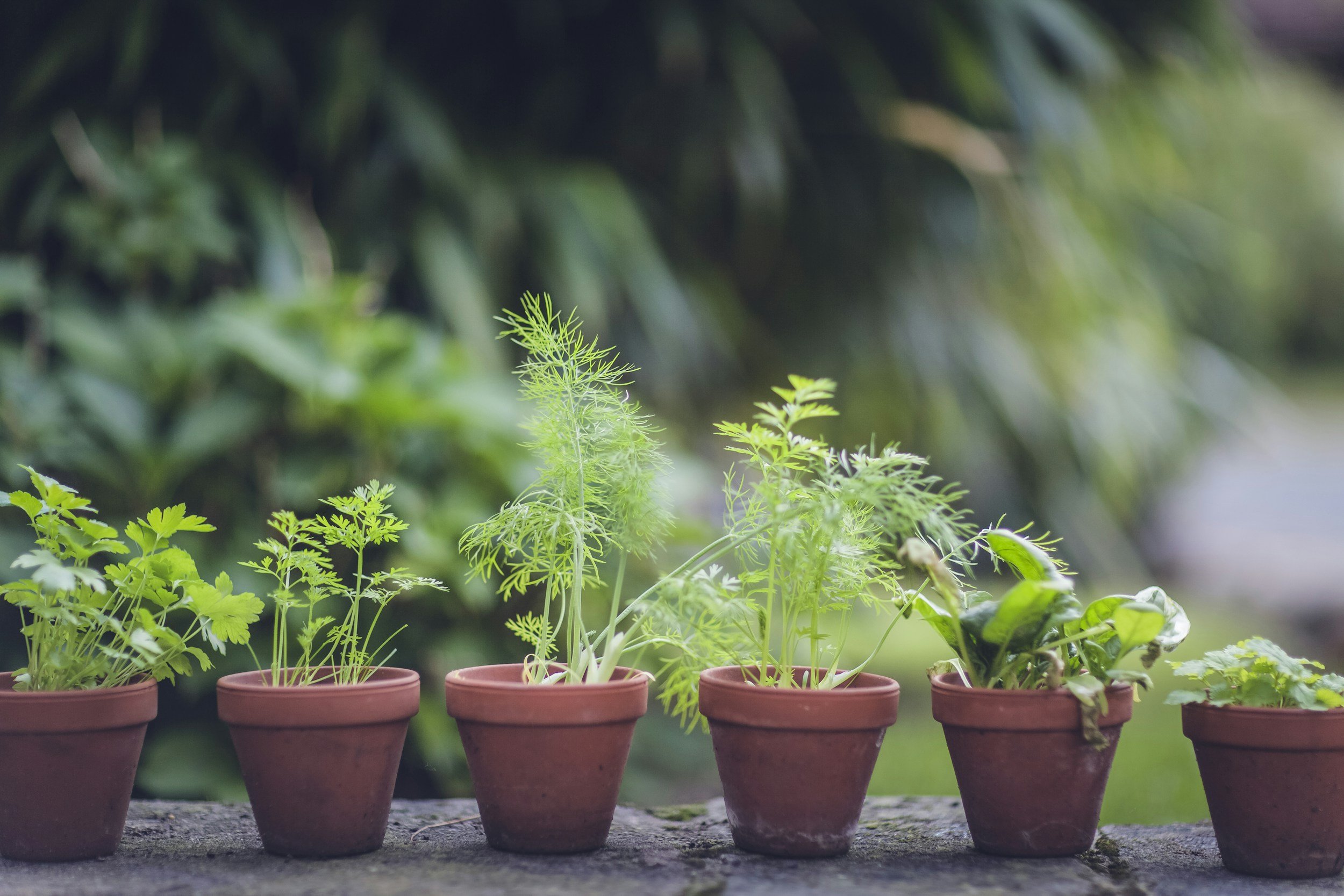
Herbs
Herbs play a quiet but powerful role in cooking — they’re the thread that ties flavours together and gives a dish its personality. Fresh herbs can brighten heavy ingredients, add depth to simple ones, and bring a sense of seasonality that makes food feel alive.
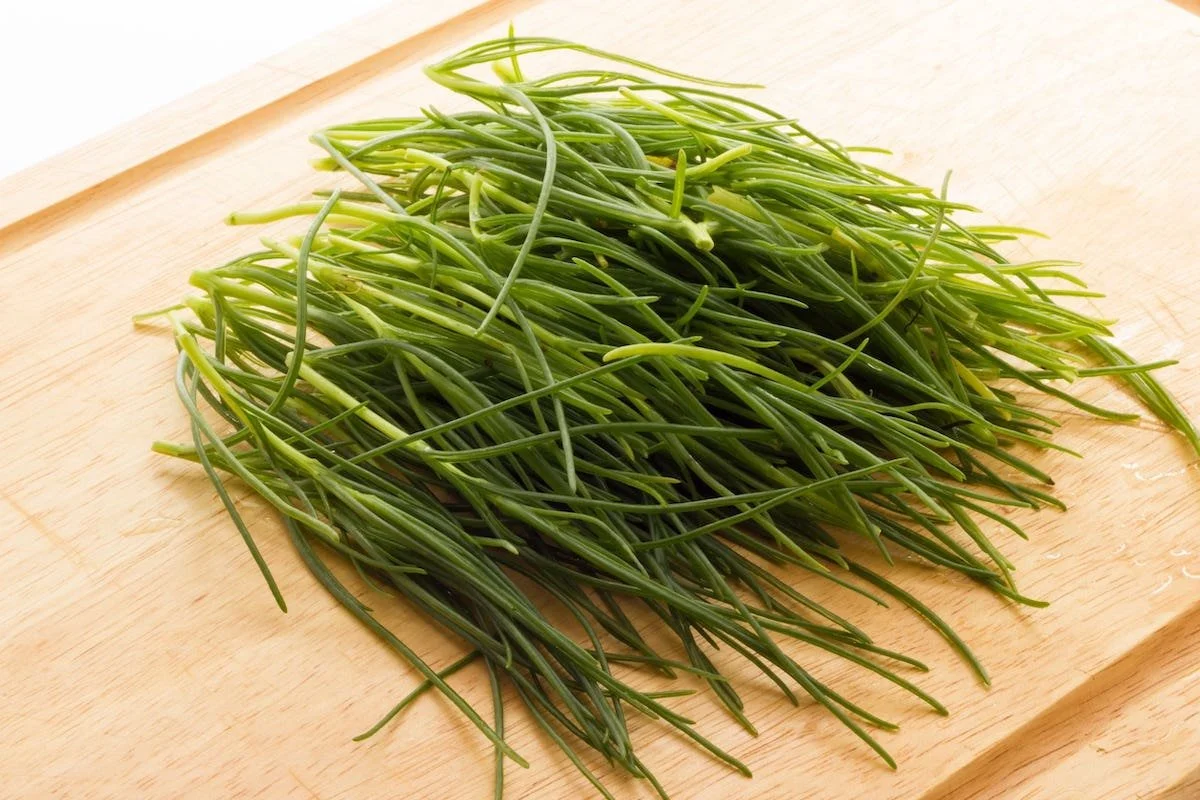
Agretti
Agretti (Salsola soda), also known as monk’s beard, is a Mediterranean coastal plant traditionally grown in Italy. It has long, thin, succulent, grass‑like leaves that look a bit like chives crossed with samphire. The flavour is fresh, green, slightly salty, and mineral—somewhere between spinach, samphire, and young beet greens. Its texture is its real charm: crisp‑tender, juicy, and pleasantly springy.
Traditional uses:
Sautéed with garlic and olive oil
Tossed in pasta
Raw in salads (young aggretti)
Egg dishes
Combines with:
Citrus
Parsley
Chives
Dill
Mint
Garlic
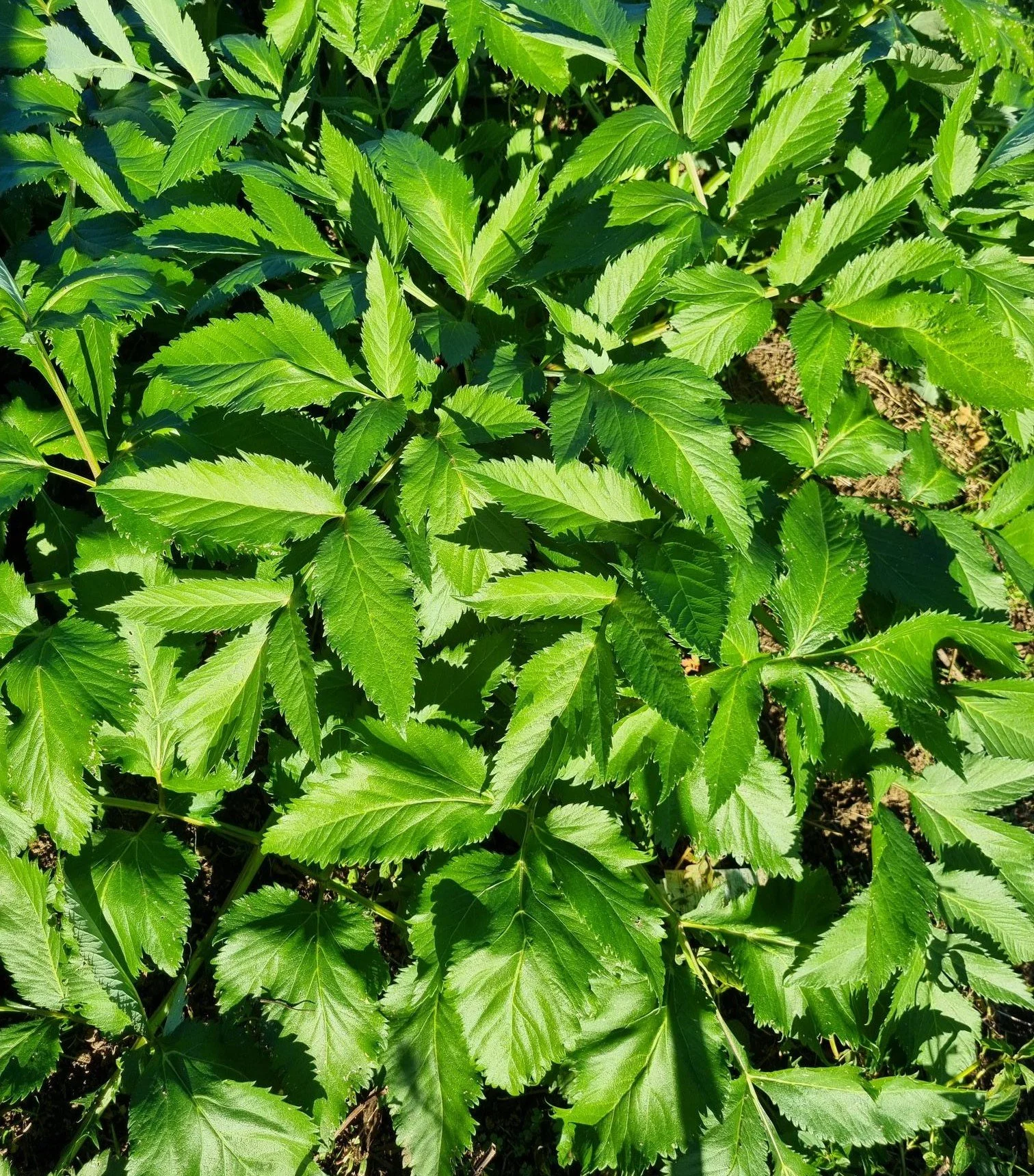
Angelica
Angelica (Angelica archangelica) is a tall, aromatic herb in the Apiaceae family—the same family as parsley, celery, fennel, and lovage. It has a distinctive fragrance: sweet, herbal, slightly musky, with hints of juniper, celery, and anise. All parts of the plant are aromatic, but the stems, leaves, roots, and seeds are used differently. Angelica has a long history in European and Nordic cooking, especially in preserves, confectionery, and liqueurs.
Traditional uses:
Fresh leaves: with rhubarb and spinach
Dried leaves: tea
Stems: crystallised in cakes and cookies
Combines with:
Juniper
Lavender
Lemonm balm
Nutmeg
Pepper
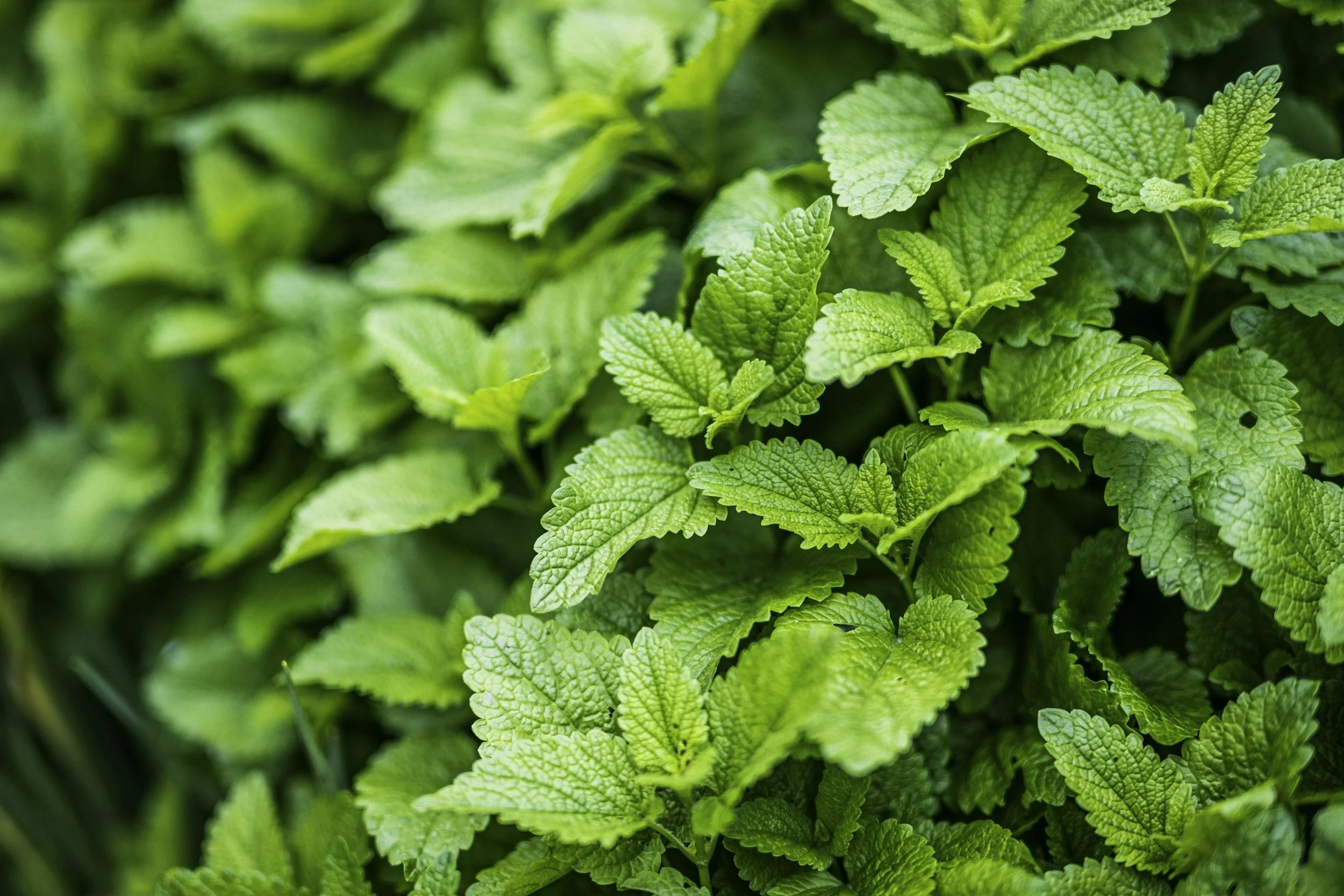
Balm
Lemon and lime balm (Melissa officinalis) is a soft, leafy herb in the mint family with a bright, gentle lemon aroma. Its flavour is softer and rounder than lemon—more herbal, slightly sweet, and calming. Lime balm and lemon balm are closely related cultivars of the same species (Melissa officinalis), with the primary difference being that one smells like fresh lemon and the other smells like lime. It’s widely used in teas, desserts, salads, and light savoury dishes, especially where a fresh citrus lift is wanted without acidity. Because its essential oils are delicate, lemon balm is best used fresh and added at the end of cooking.
Traditional uses:
Fruit salads
Green salads
Sauces for lamb and pork
Poultry and fish
Combines with:
Allspice
Bay Leaf
Coriander seed
Mint
Nutmeg
Pepper
Rosemary
Sage
Thyme
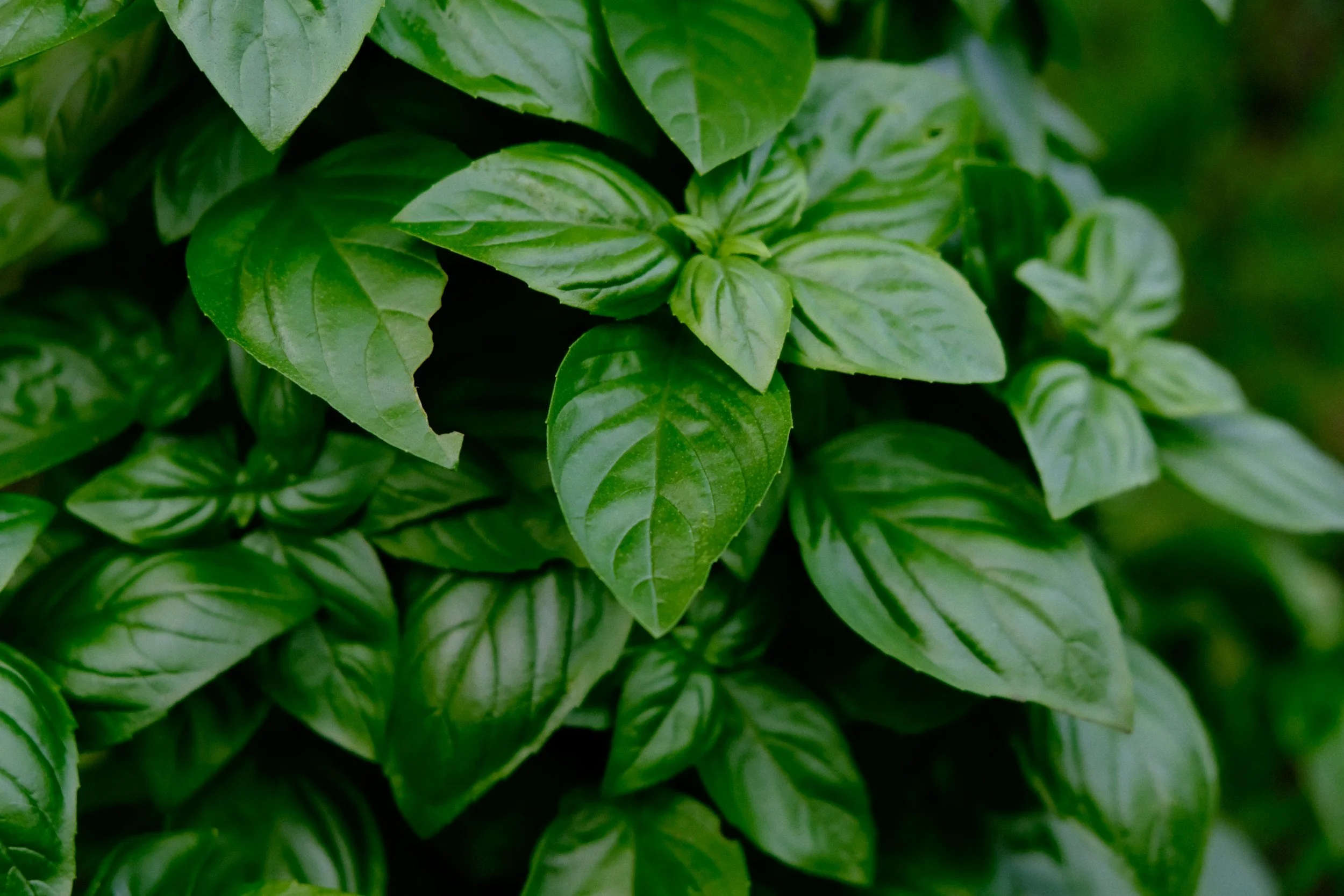
Basil
Basil (Ocimum Basilicum) brings a bright, aromatic lift to food, thanks to its sweet, slightly peppery flavour and soft, fragrant leaves. It’s most famous in Mediterranean cooking. Basil is a fragrant, leafy herb in the mint family. The most common variety for cooking is sweet basil, with bright, peppery, slightly minty notes. Other popular types: Thai basil- stronger, with anise/licorice notes; holds up better in sizzling dishes. Genovese basil: a classic for pesto, large leaves, sweet aroma. Lemon basil: citrusy aroma, good in lighter dishes. Purple basil: milder flavor, adds color to dishes
Traditional uses:
Tomato dishes
Pasta sauces
Eggplant and zucchini dishes
Poultry stuffing
Salads
Combines with:
Garlic
Juniper
Marjoram
Mustard
Oregano
Paprika
OParsely
Pepper
Rosemary
Sage
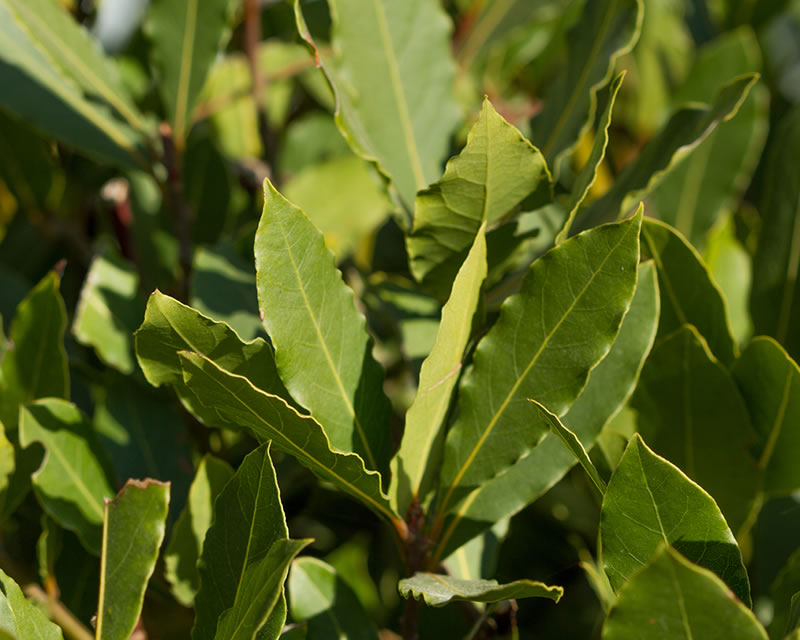
Bay Leaf
Bay leaf comes from the bay laurel tree (Laurus nobilis), a Mediterranean evergreen. The leaves are leathery, aromatic, and used dried far more often than fresh. Its flavour is subtle but essential: herbal, slightly floral, with hints of eucalyptus, pine, and clove. Bay doesn’t shout—it builds depth, warmth, and complexity in slow-cooked dishes. Bay leaf is one of the foundational herbs in European, Middle Eastern, and Indian cooking. Part of the classic bouquet garni and herbes de Provence.
Traditional uses:
Slow-cooked dishes
Soups, casseroles, and roasts
Rice, grains, and pulses
Terrines
Steamed fish
Tomato-based pasta sauce
Combines with:
Basil
Chile
Garlic
Marjoram
Oregano
Paprika
Pepper
Rosemary
Sage
Thyme
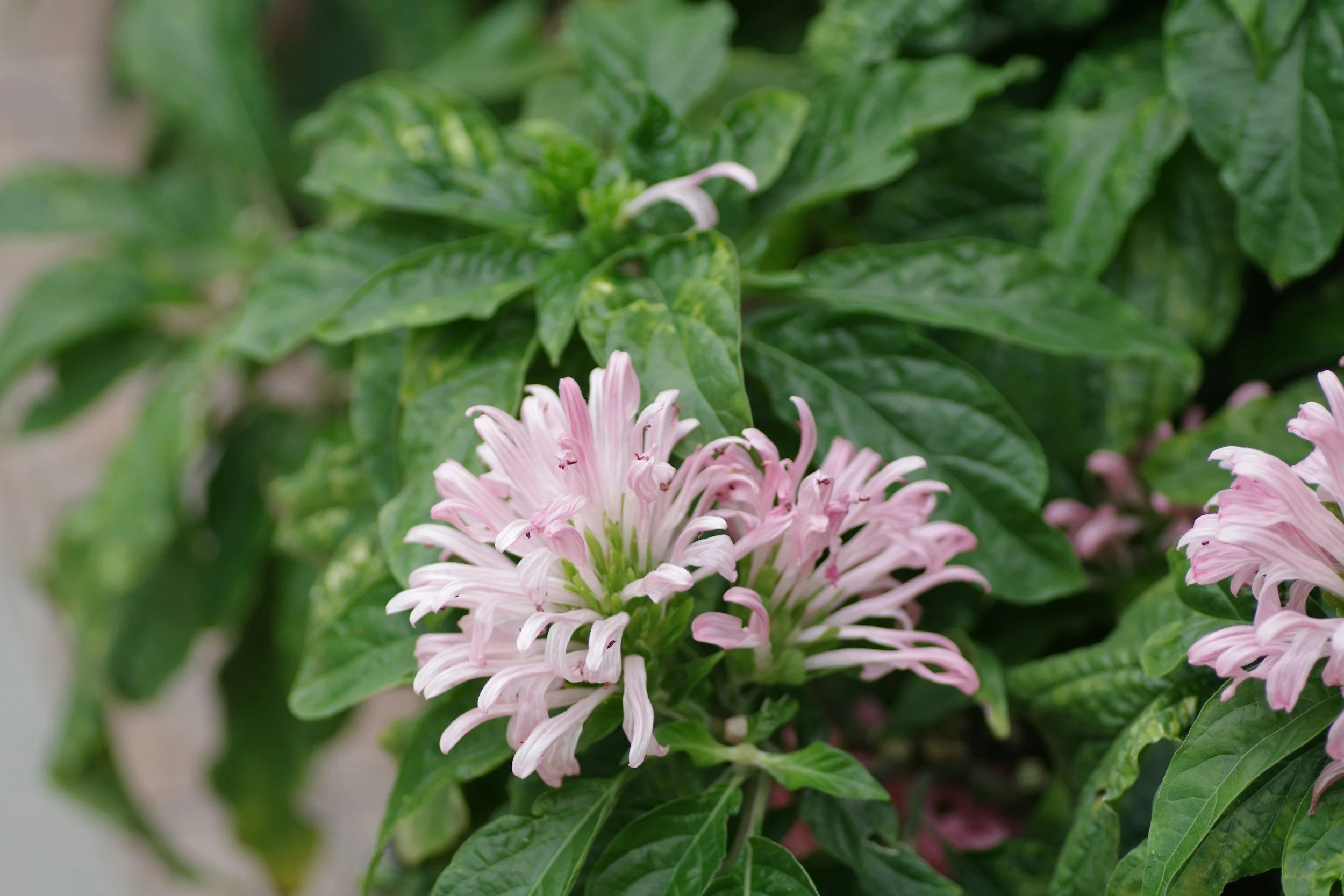
Bergamot
Bergamot (Monarda didyma or Monarda fistulosa) — also called bee balm, Oswego tea, or monarda, a member of the mint family with a bright, citrus‑mint aroma. Since you’re building a collection of herb descriptions, this overview focuses on bergamot herb (bee balm). Bergamot has soft, mint-like leaves and vibrant flowers. Its flavour is citrusy, floral, slightly spicy, and reminiscent of a cross between lemon, orange peel, and oregano. It’s stronger than lemon balm and more complex than mint.
Traditional uses:
Salads
Sauces for pork and duck
Combines with:
Basil
Mint
Rosemary
Sage
Thyme
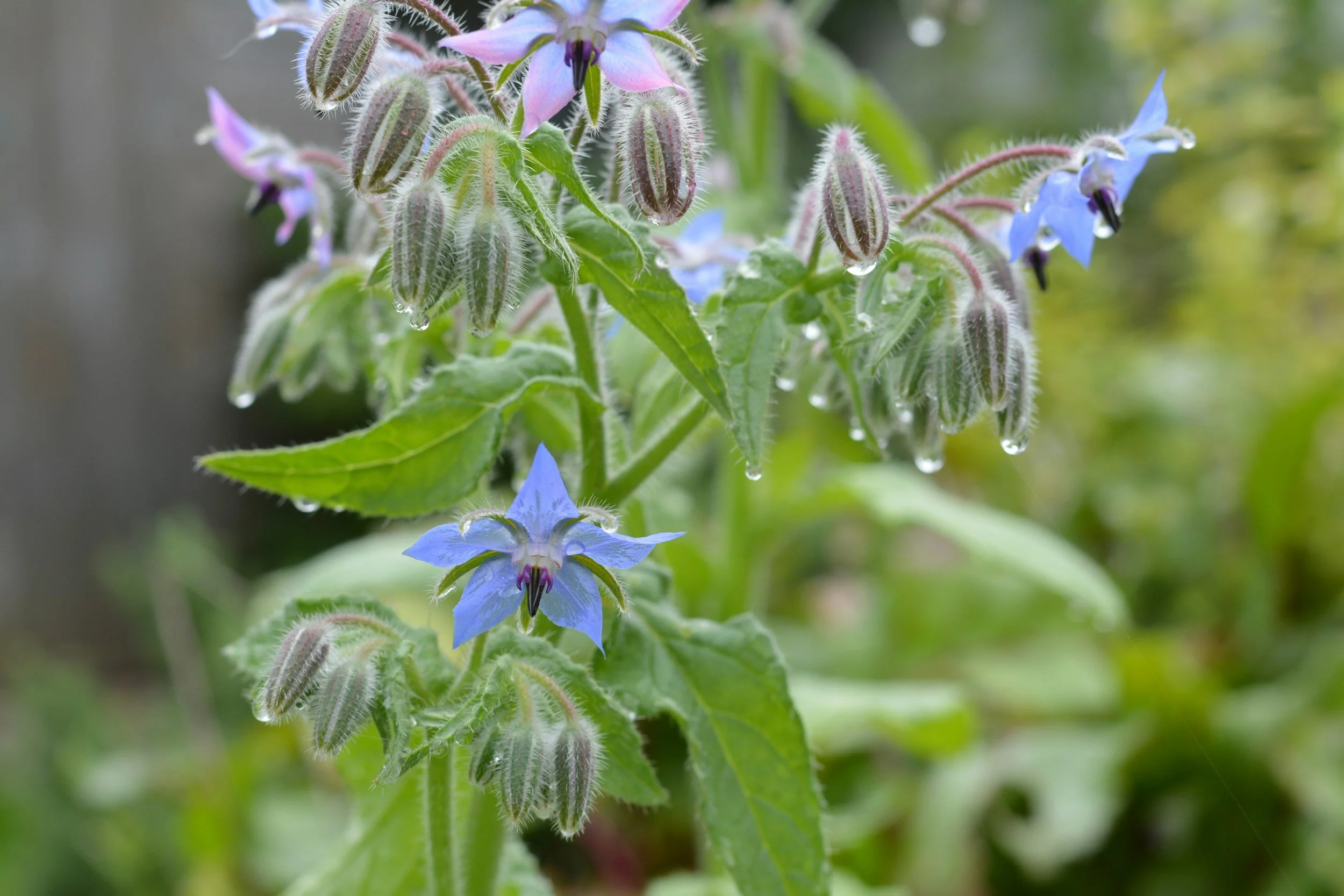
Borage
Borage (Borago officinalis) is a hardy annual herb with fuzzy leaves and striking star‑shaped blue flowers. It has a mild, refreshing flavour often described as cucumber‑like, with a hint of green melon. Both the leaves and flowers are edible, though they’re used differently. Leaves are best young, before they get too hairy. Flowers are delicate, sweet, and visually stunning.
Traditional uses:
Coctails
Fruit punches
Greens salads
Herb sandwiches
Soup
Combines with:
Basil
Chives
Cress
Lovage
Parsley
Salad burnet
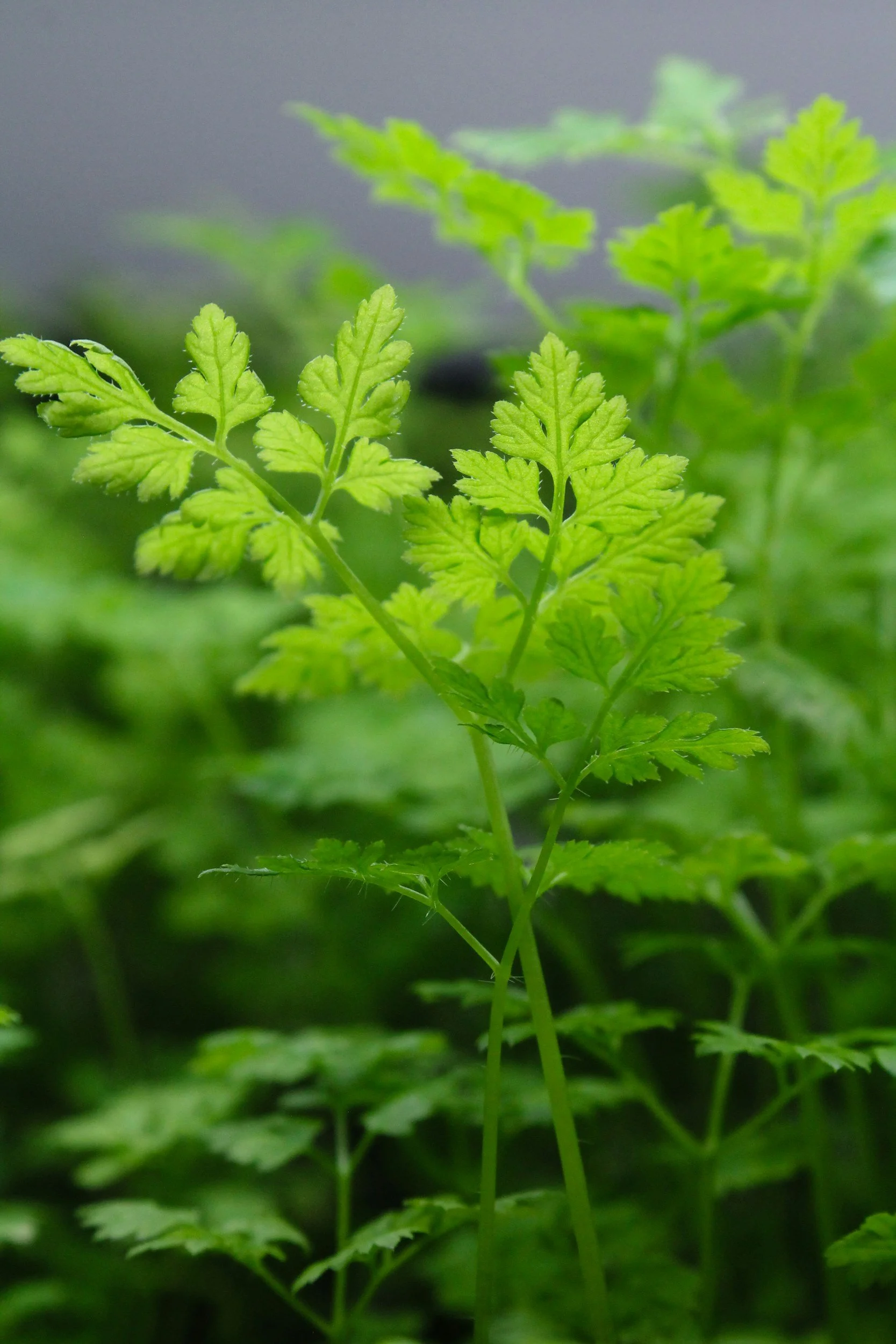
Chervil
Chervil (Anthriscus cerefolium) is a delicate, feathery herb in the parsley family, often described as a cross between parsley, tarragon, and anise. Its flavour is mild, fresh, slightly sweet, with a gentle hint of liquorice. It’s one of the classic French fines herbes (with parsley, chives, and tarragon), prized for its subtlety. Because its flavour is easily lost, chervil is best used fresh and added right at the end of cooking.
Traditional uses:
Scrambled eggs and omelets
Cream cheese and herb butter
Green salads
Mashed potatoes
Combines with:
Basil
Celery seed
Coriander leaf
Dill fronds
Lovage
Onion and garlic
Parsley
Salad burnet
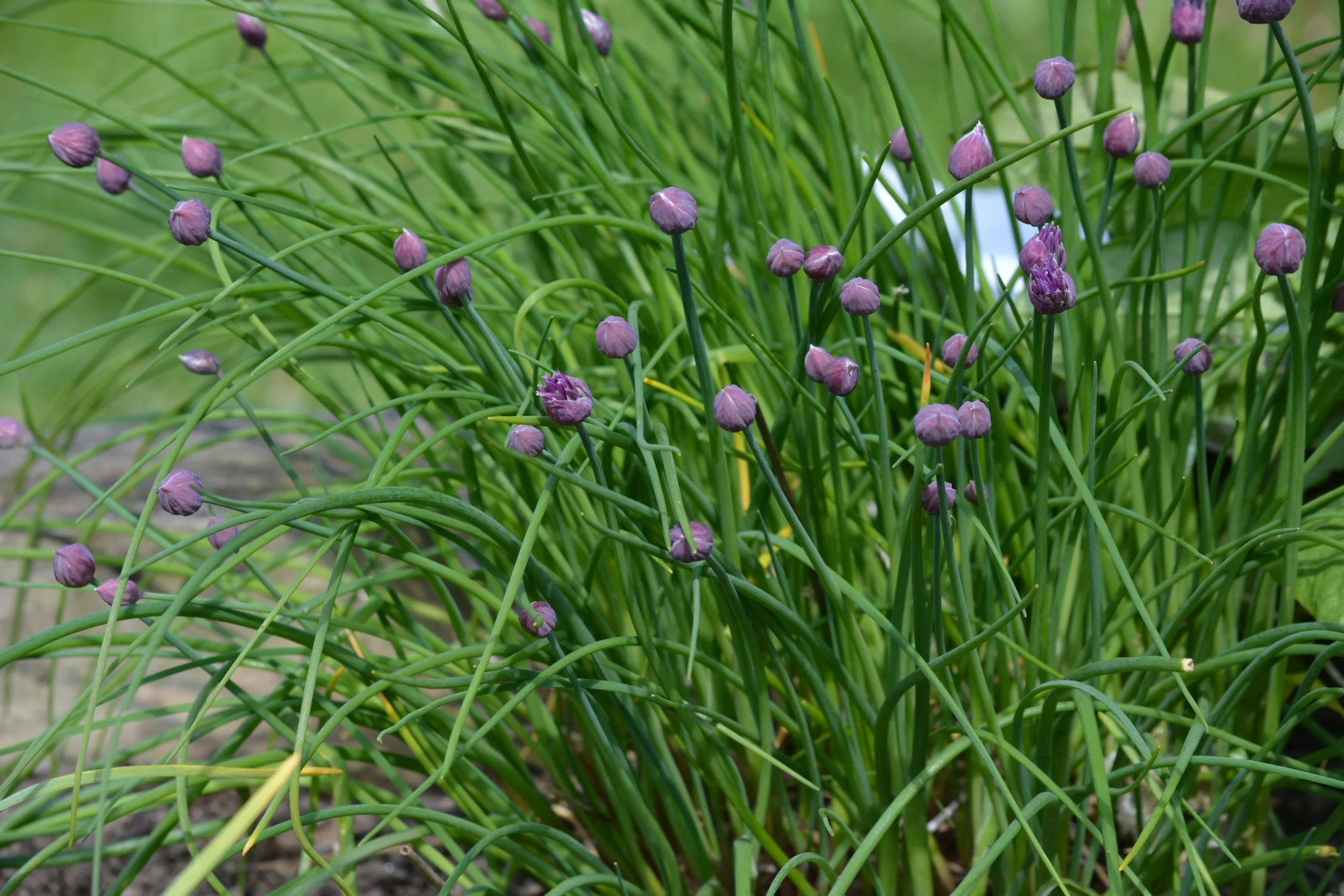
Chives
Onion chives (Allium schoenoprasum) are a mild, delicate member of the onion family. They grow as slender, hollow green stems with a clean, fresh flavour—like a gentle cross between spring onion and garlic. Both the stems and the purple flowers are edible. Garlic chives (Alium tuberosum) have flat leaves, white flowers (unsuitable for eating), and a distinctive garlic flavour. Chives are best used fresh, added at the end of cooking to preserve their bright, oniony aroma. They’re one of the classic French fine herbes (with parsley, tarragon, and chervil).
Traditional uses:
Scrambled eggs and omelets
Sour cream
Salad dressings and mayonnaise
White sauces
Mashed potatoes
Vichysoise
Combines with:
Basil
Chervil
Cress
Dill fronds
Fennel fronds
Lovage
Onion and garlic
Parsley
Salad burnet
Sorrel
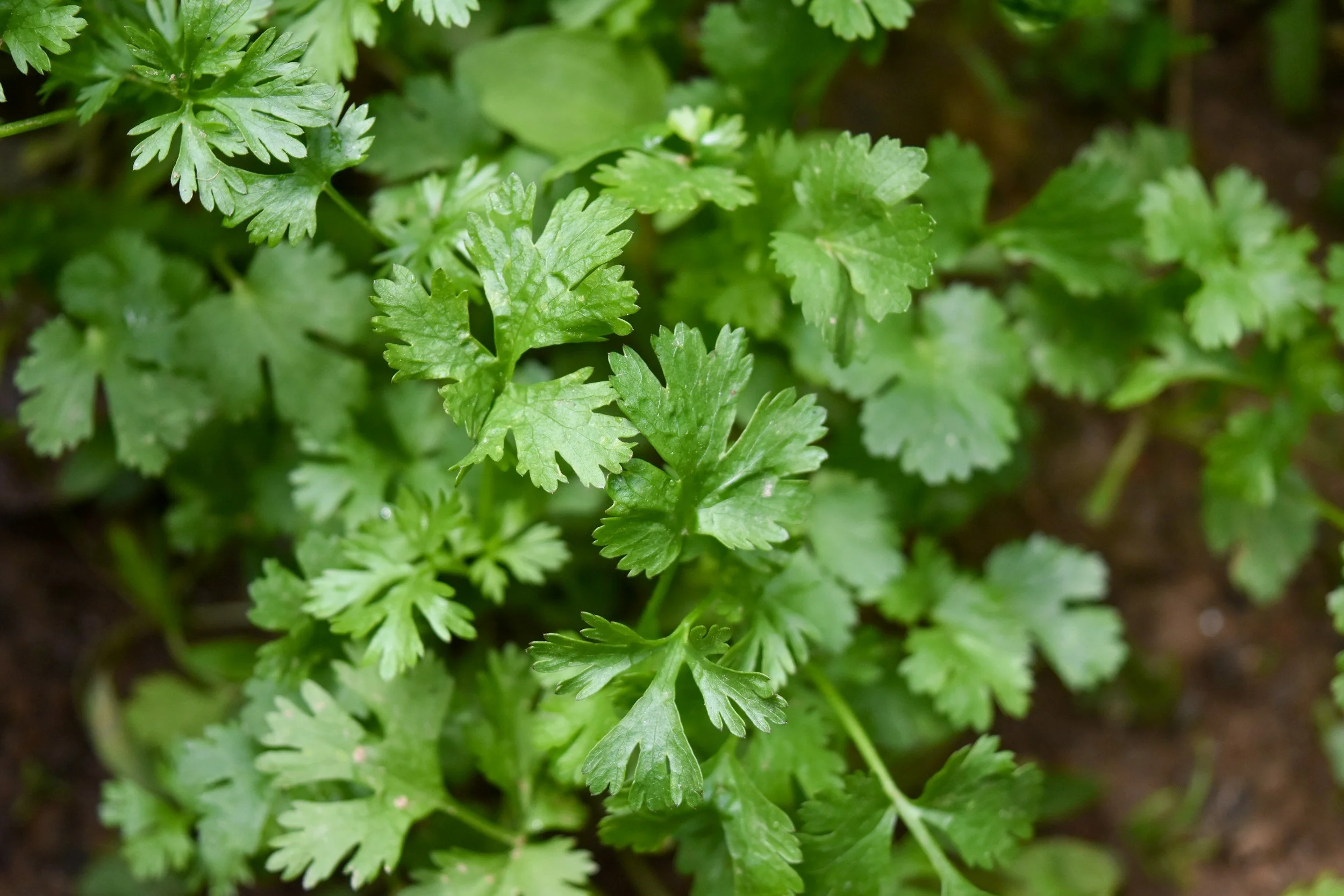
Coriander
Coriander (Coriandrum sativum) is a versatile herb where every part of the plant—leaves, stems, roots, and seeds—has culinary value. The leaves are bright, citrusy, and aromatic. The stems are tender and even more flavourful than the leaves. The roots are earthy and intensely fragrant, widely used in Southeast Asian cooking. The seeds are warm, nutty, and lemony, used whole or ground as a spice. Coriander is essential in cuisines across Asia, the Middle East, Latin America, and the Mediterranean.
Traditional uses (leaf):
Asia and Middle Eastern salads
Latin American ceviche, salsas, salads and cooked sauces
Stir-fries and curries
Indian rice dishes (as garnish)
Combines with:
Basil
Curry leaf
Dill
Fenugreek leaf
Garlic
Lemongrass
Lemon myrtle
Parsley
Vietnamese mint
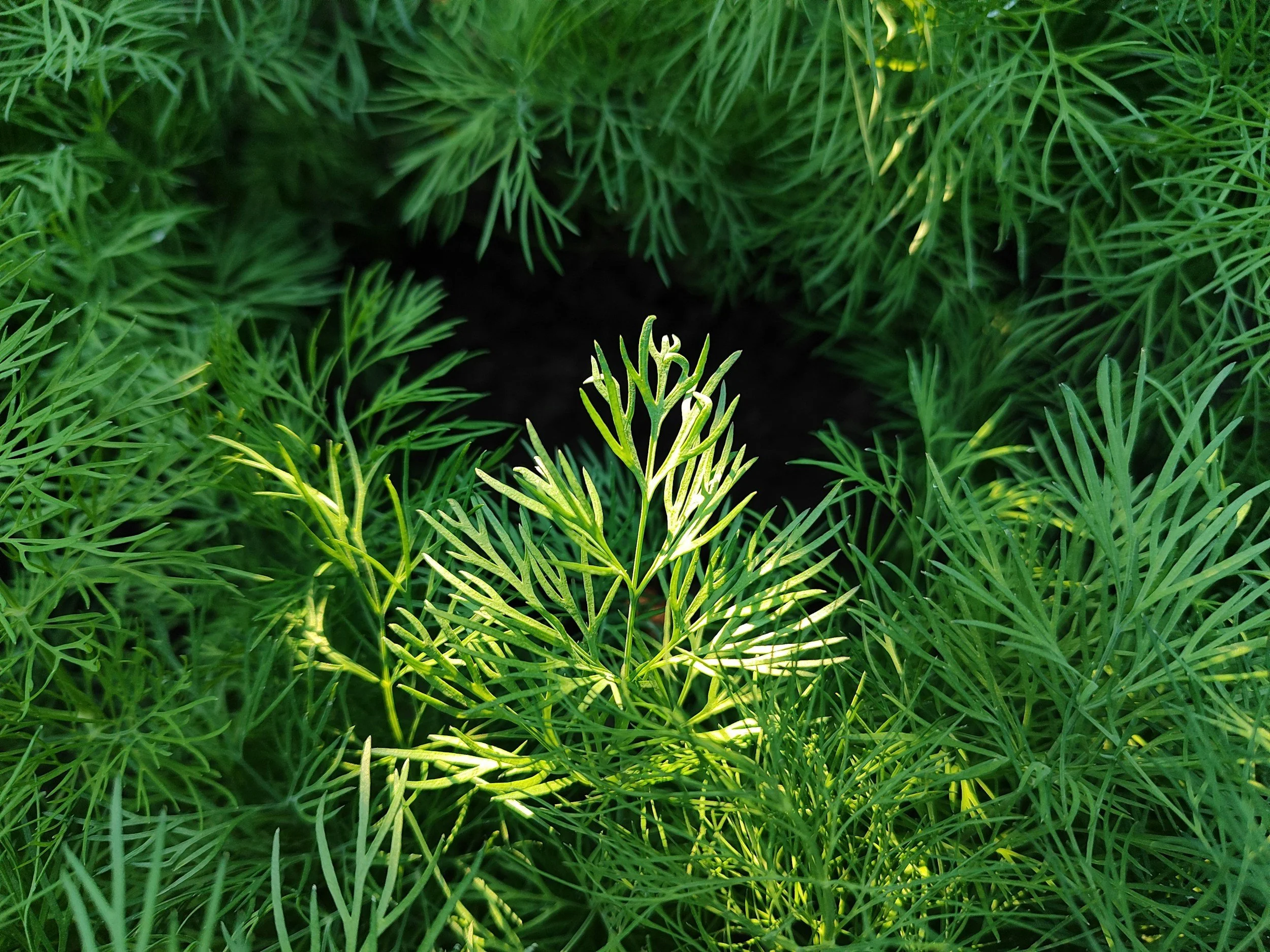
Dill
Dill (Anethum graveolens) is a feathery, aromatic herb with a bright, fresh flavour that blends anise, citrus, and sweet grass. Both the leaves (dill weed) and the seeds are used in cooking, each offering a different character: Leaves: soft, fragrant, delicate; best used fresh. Seeds: warm, earthy, slightly bitter; used as a spice. Dill is essential in Scandinavian, Eastern European, Middle Eastern, and Mediterranean cuisines.
Traditional uses (leaf):
Cottage cheese and cream cheese flavouring
White sauces for chicken and seafood
Scrambled eggs and omelets
Fish dishes
Salad dressings and herb vinegars
Combines with:
Basil
Bay leaf
Coriander leaf
Cress
Fennel fronds
Garlic
Lovage
Parsley
Epazote
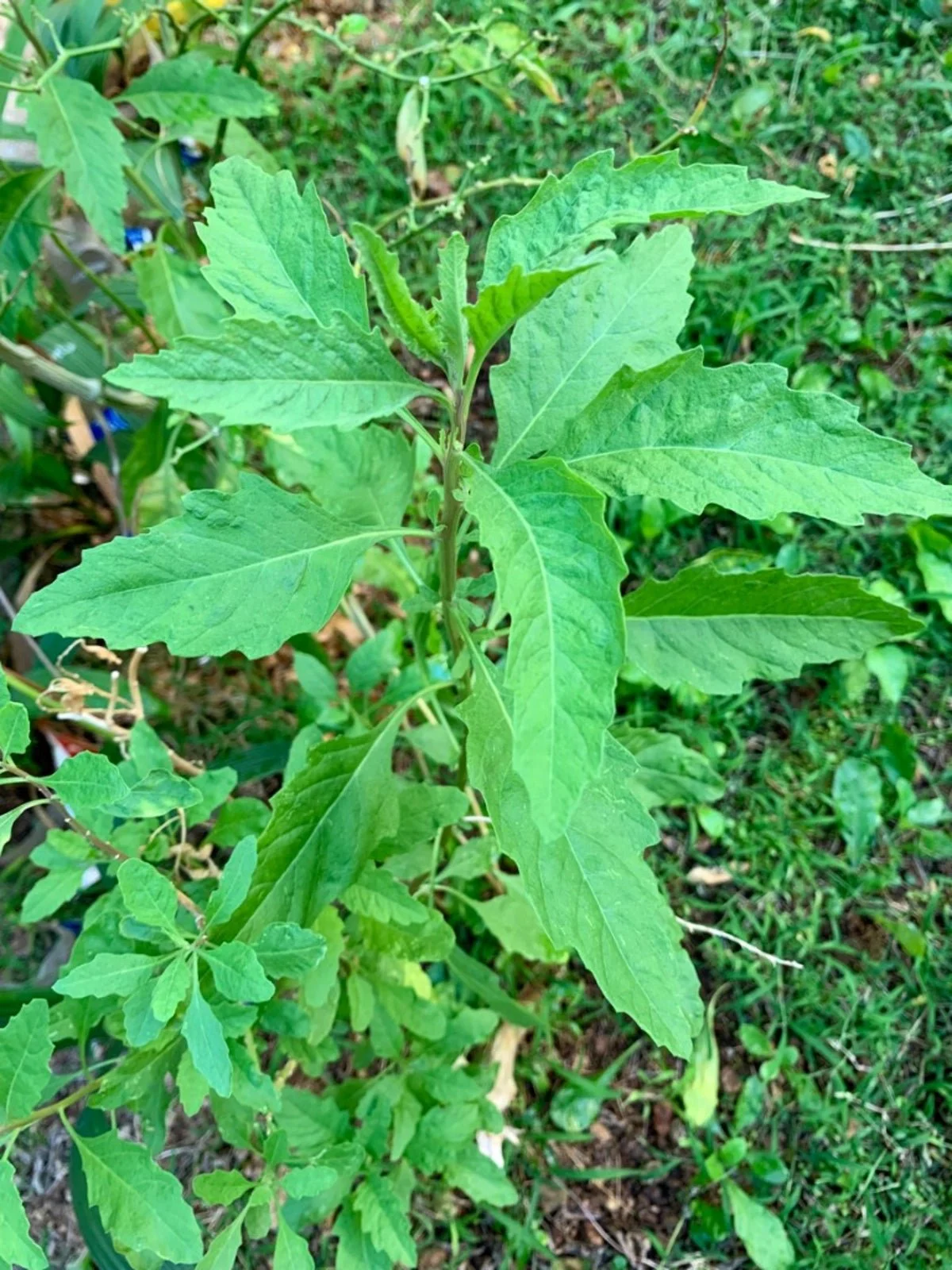
Epazote (Dysphania ambrosioides) is a pungent, aromatic herb native to Mexico and Central America. Its flavour is bold and distinctive—resinous, medicinal, citrusy, slightly minty, with notes of oregano, anise, and camphor. It’s not a “soft herb” like coriander or basil. Epazote is assertive, complex, and used primarily to season beans, stews, and traditional Mexican dishes.
A little goes a long way. Fresh leaves are preferred, but dried epazote is also used.
Traditional uses:
Mexican casseroles
Bean dishes
Salsas and sauces
Tacos
Combines with:
Chile
Cumin
Oregano
Paprika
Pepper
Fennel
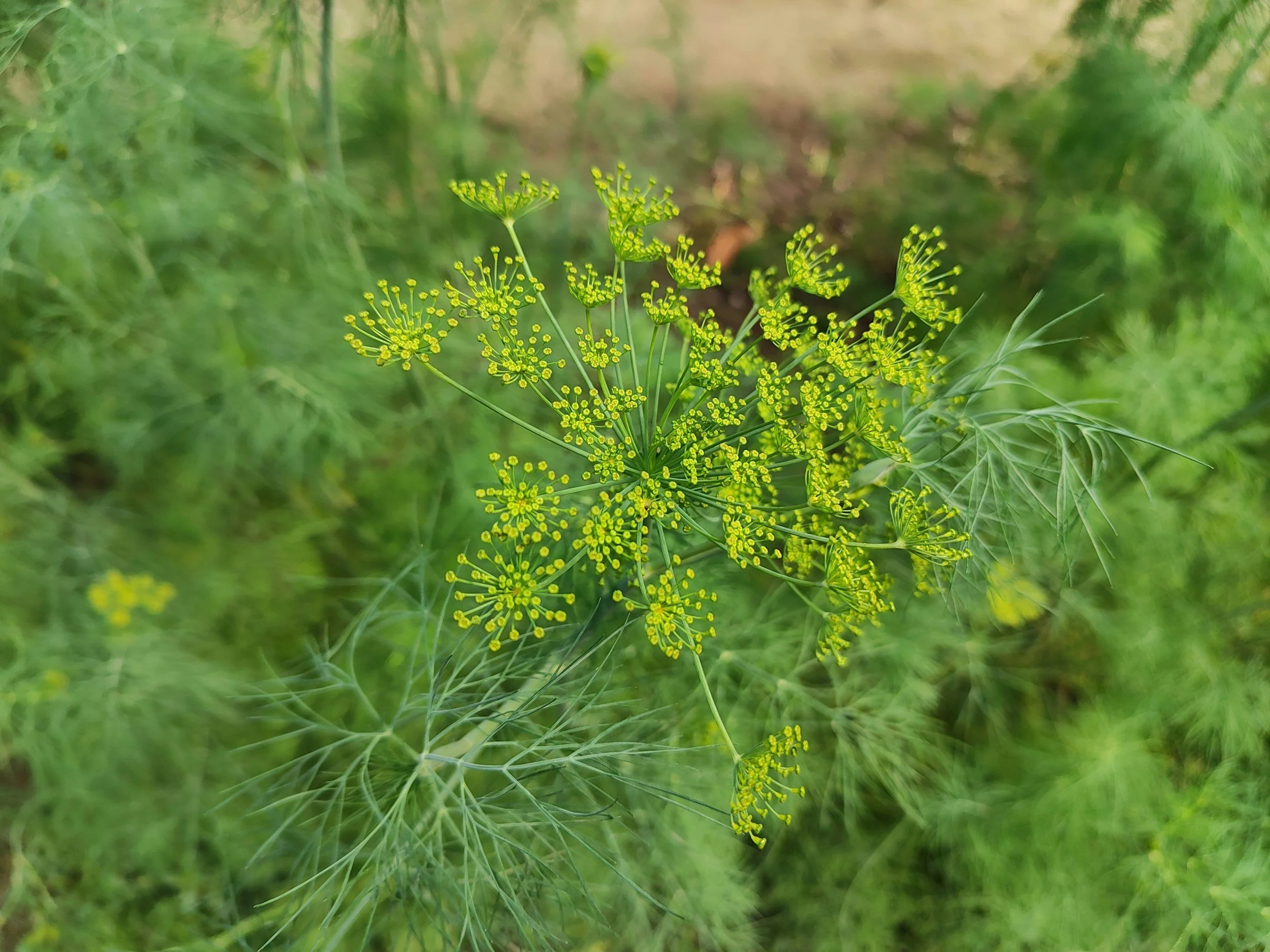
Fennel (Foeniculum vulgare) is a wonderfully versatile plant in the carrot family, with three distinct edible parts: Bulb — crisp, juicy, anise‑scented; used as a vegetable. Fronds — feathery, bright, herbal; used like a soft herb. Seeds — warm, sweet, aromatic; used as a spice. Its flavour is clean and sweet with a gentle anise note—more subtle than licorice, more herbal than sweet. Fennel is widely used in Mediterranean, Middle Eastern, and Indian cooking.
Traditional uses (fronds):
Salads
Soups
Terrines (as garnish)
White sauces
Combines with:
Bay leaf
Chervil
Chives
Coriander leaf
Cress
Dill leaf
Garlic
Parsley
Fennugreek
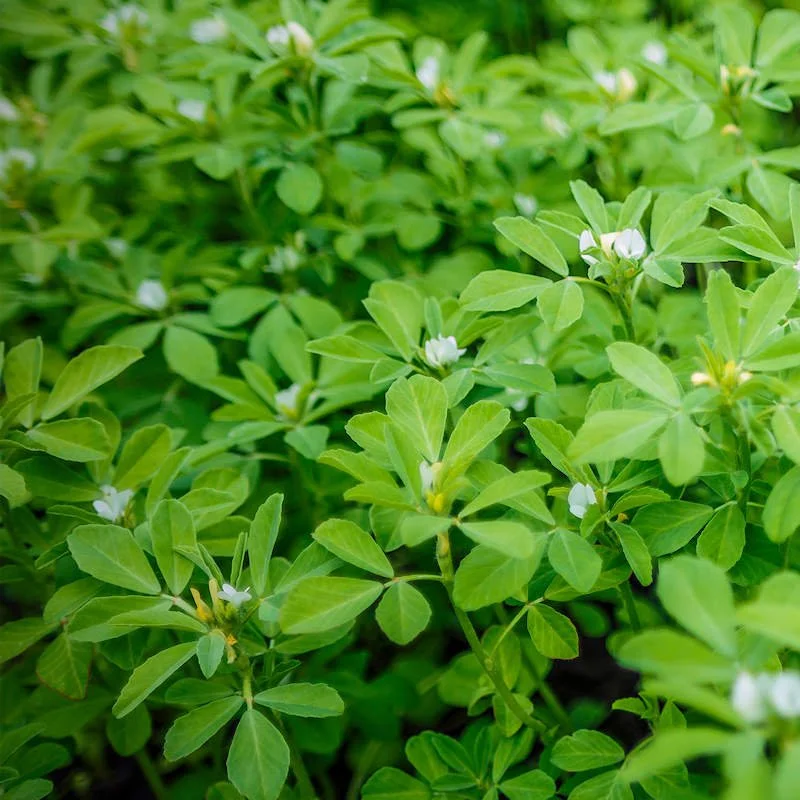
Fenugreek (Trigonella foenum‑graecum) is a plant used in three distinct culinary forms: Seeds — small, golden, hard; warm, nutty, slightly bitter. Leaves (fresh) — called methi; aromatic, green, mildly bitter. Leaves (dried) — called kasoori methi; intensely fragrant, sweet‑bitter, almost maple‑like. Fenugreek is essential in Indian, Middle Eastern, North African, and Ethiopian cooking. Its flavour is unique: nutty, earthy, slightly sweet, slightly bitter, with a hint of maple syrup (especially in the dried leaves).
Traditional uses (leaf):
Vegetable and fish curries
Spinach and potato dishes
Combines with:
Allspice
Cardamom
Chile
Cinnamon
Cloves
Coriander seed
Fennel seed
Galangal
Ginger
Mustard
Nigella
Paprika
Pepper
Star anise
Turmeric
Hyssop
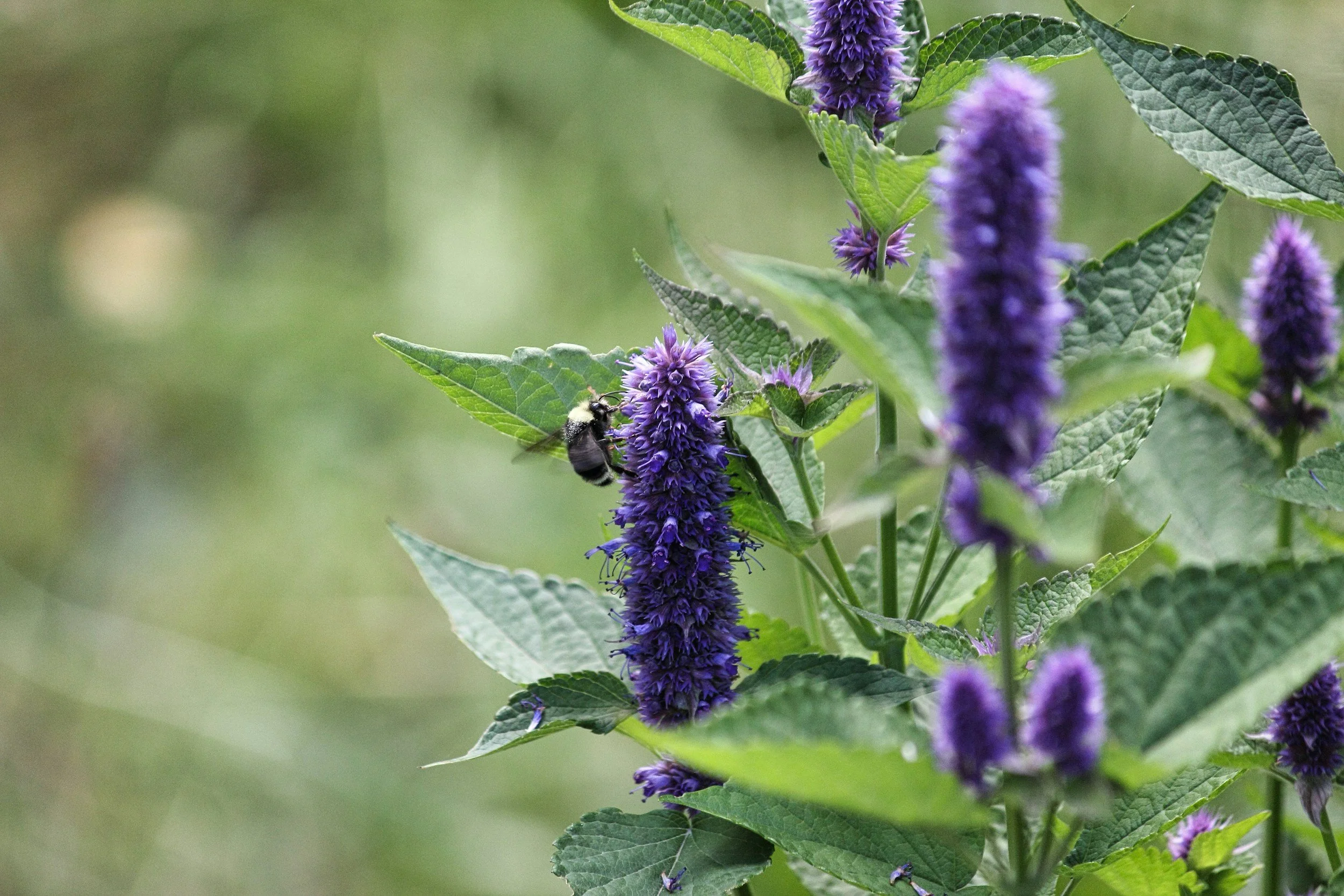
Hyssop (Hyssopus officinalis) is a small, woody perennial herb in the mint family. It has narrow, aromatic leaves and a bold, resinous flavour—minty, herbal, slightly bitter, and a little medicinal. It’s much stronger than thyme or oregano, so it’s used sparingly. Hyssop has a long history in Middle Eastern and Mediterranean cooking.
Traditional uses:
Roasted meats
Za’atar
Soups and casseroles
Roasted vegetables
Foccacia
Combines with:
Garlic
Mint
Oregano
Rosemary
Thyme
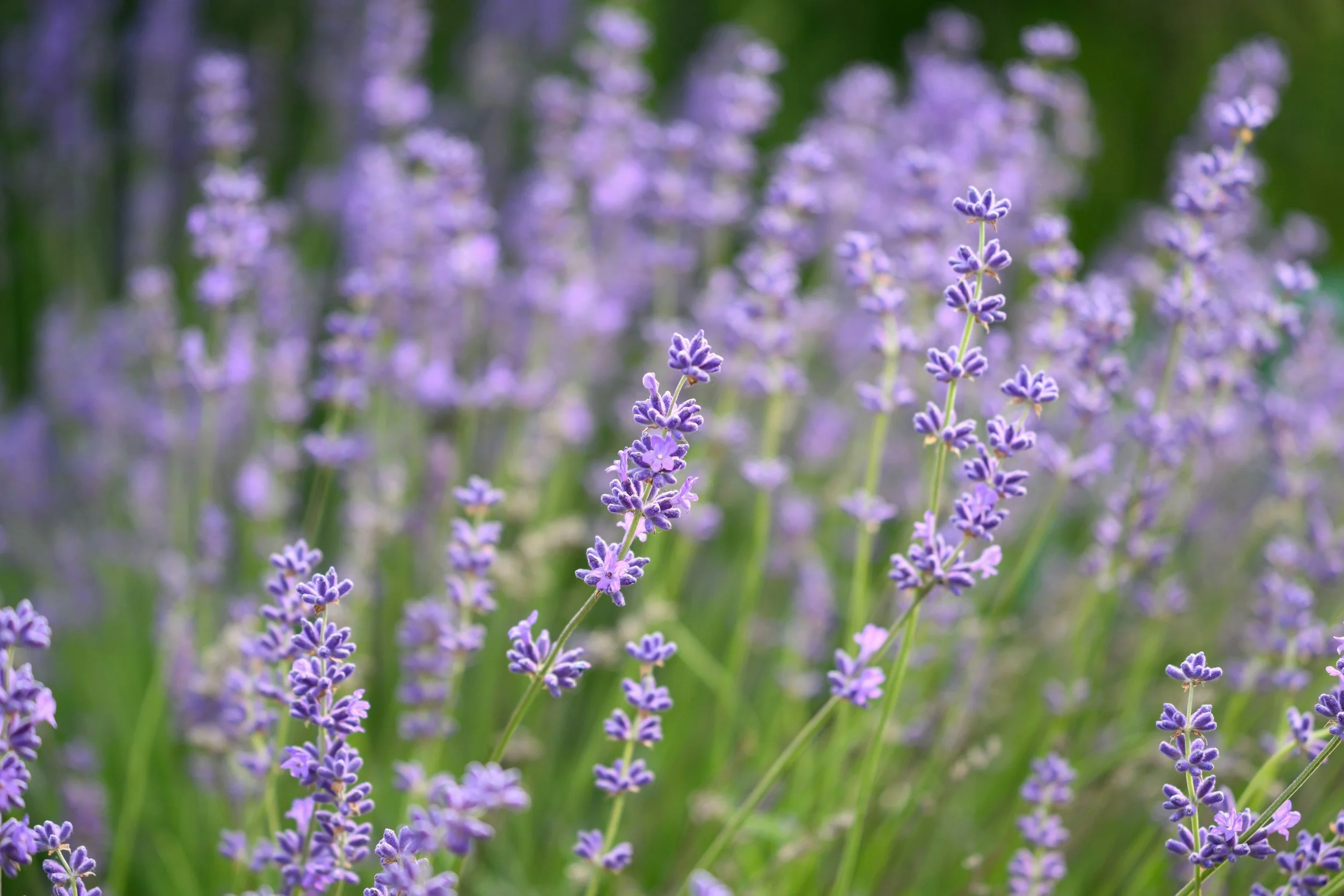
Lavender
Lavender (Lavandula angustifolia, often called English lavender) is a fragrant perennial herb known for its floral, sweet, slightly citrusy aroma. While many lavender varieties exist, only culinary lavender (usually L. angustifolia) is suitable for cooking—others can taste harsh, camphorous, or soapy. Lavender has a strong flavour, so it’s used sparingly. It shines in baking, desserts, herbal blends, drinks, and some savoury dishes when balanced with acidity, fat, or sweetness. Both the flowers and leaves are edible, but the flowers are most commonly used. Lavender is a classic component of herbes de Provence
Traditional uses:
Shortbread
Cakes and icings
Meat marinades
Roasted pork and lamb
Roasted vegetables
Combines with:
Allspice
Bay leaf
Cardamom
Celey seed
Cannamon
Ginger
Marjoram
Parsley
tarragon
Thyme
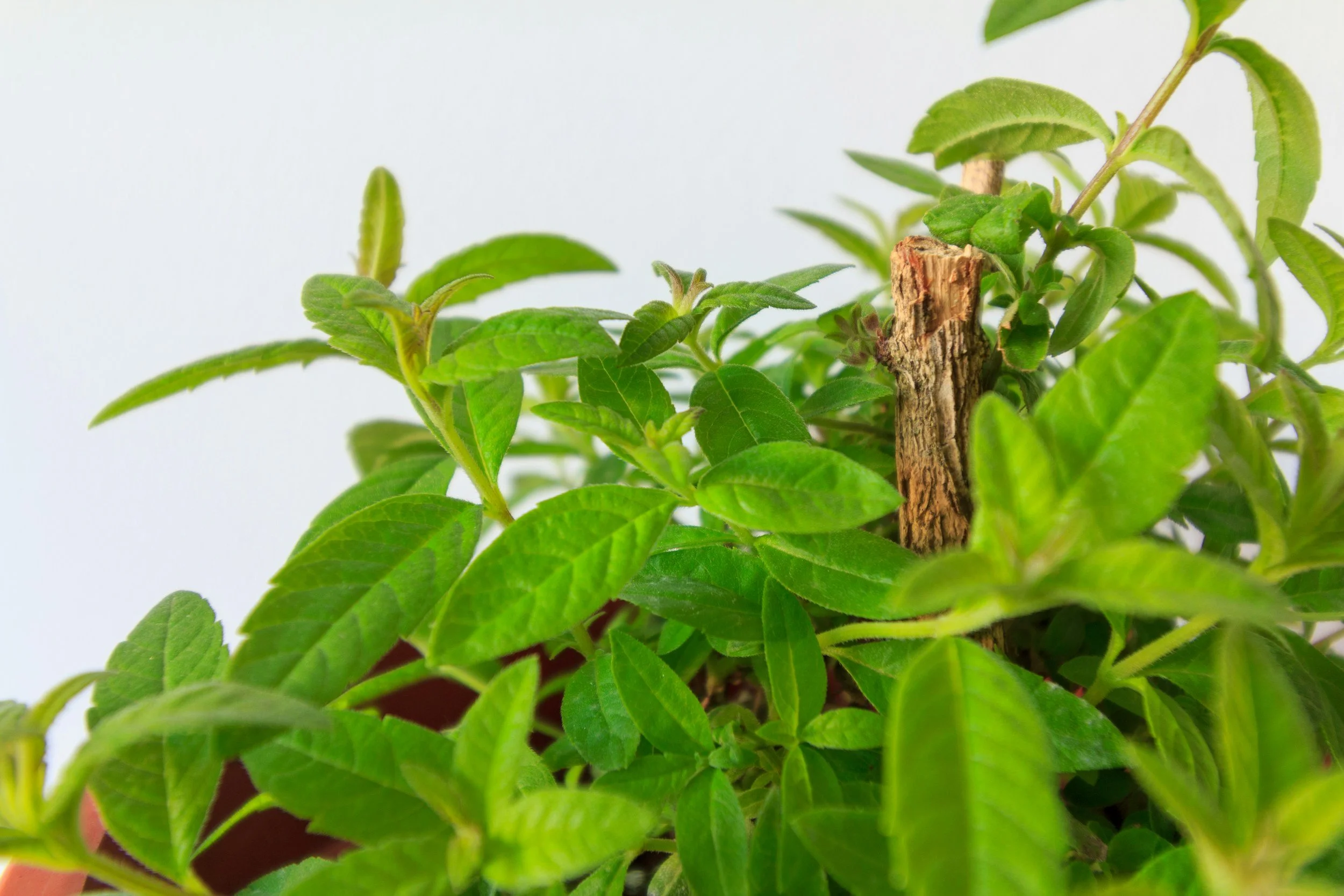
Lemon verbena
Lemon verbena (Aloysia citrodora) is a fragrant perennial shrub with long, narrow leaves and one of the purest, brightest lemon aromas of any herb. Its flavour is clean, citrusy, floral, and slightly sweet—more intense and sharper than lemon balm, softer than lemongrass. Because its essential oils are delicate, lemon verbena is best used fresh or gently infused, and added at the end of cooking. It’s widely used in teas, desserts, syrups, and light savoury dishes.
Traditional uses:
Shortbread
Cakes and muffins
Rice and milk puddings
Tea
Marinades for chicken and fish
Garin salads
Combines with:
Cardamom
Cinnamon
Ginger
Vietnamese mint
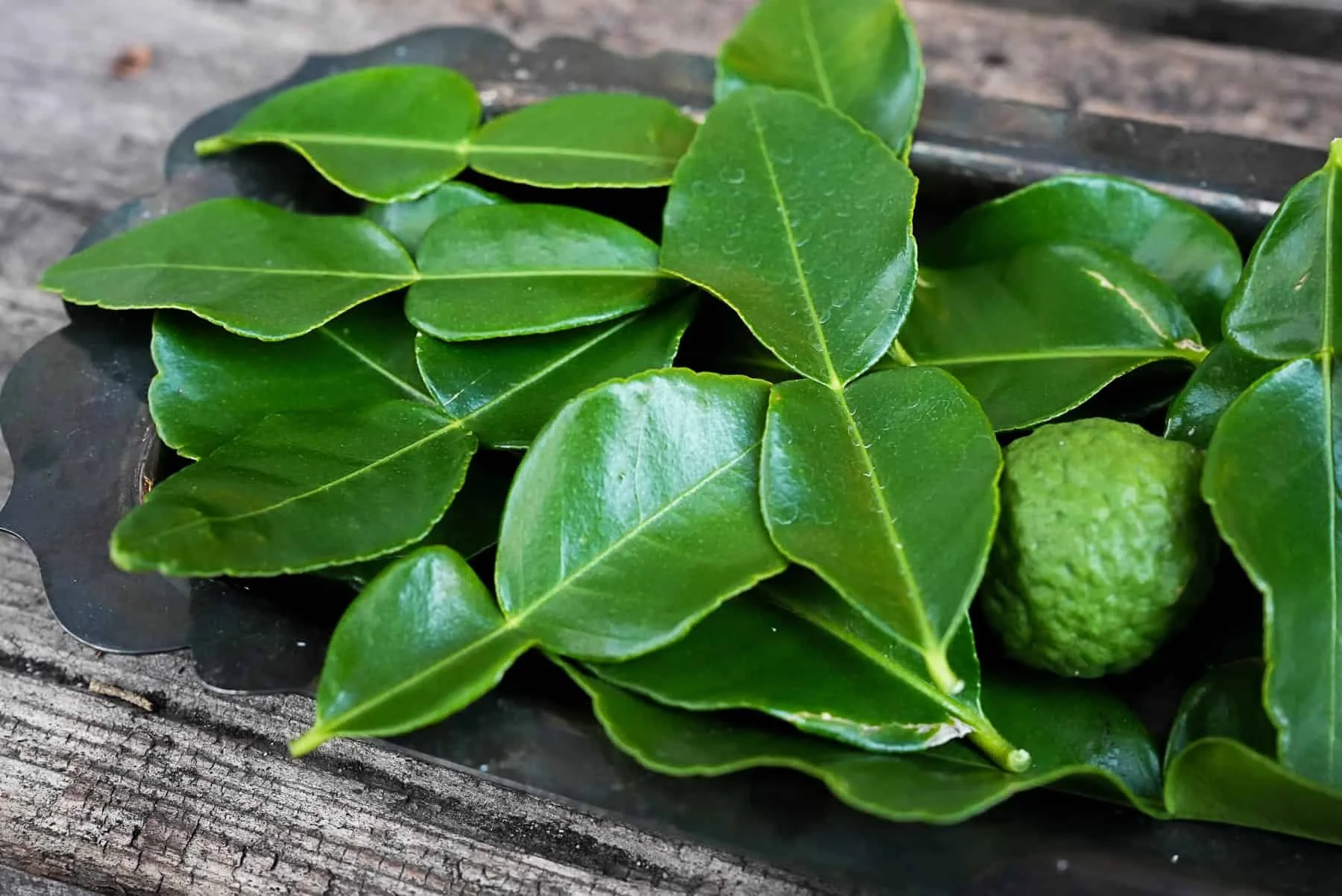
Lime leaves (Kaffir lime)
Kaffir lime leaves (often called makrut) come from the Citrus hystrix tree. They are glossy, dark green, and uniquely shaped—two leaves joined end‑to‑end like a figure‑eight. Their aroma is intensely citrusy, floral, and slightly spicy, with notes of lime zest, lemongrass, and verbena. They are not eaten whole (too tough) but used to infuse dishes with fragrance. Essential in Thai, Indonesian, Cambodian, and Vietnamese cooking.
Traditional Uses:
Salads
Asian stir-fries
Soups such as laksa
Asian curries
Drinks
Combines with:
Basil
Cardamom
Chile
Coriander
Cummin
Curry leaf
Ginger
Star anise
Turmeric
Vietnamese mint
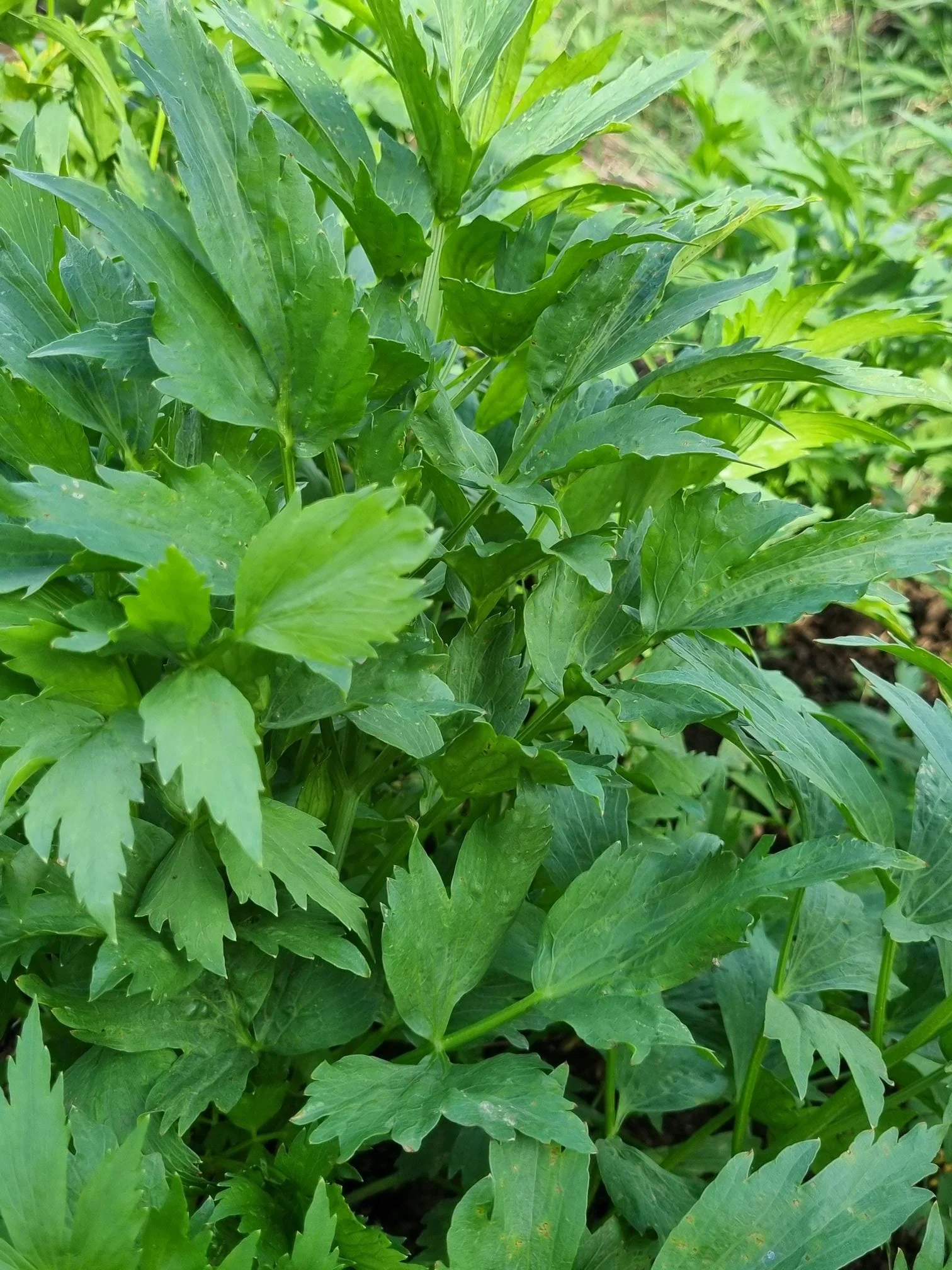
Lovage
Lovage (Levisticum officinale) is a tall, perennial herb with big, glossy leaves and a bold, aromatic flavour. It tastes like supercharged celery with hints of parsley, anise, and a deep savoury greenness. Every part of the plant is edible: Leaves — strong, celery‑like, herbal. Stems — hollow, crunchy, intensely aromatic. Seeds — similar to celery seed but more complex. Roots — earthy, used occasionally in old European recipes. Lovage is powerful, so it’s used in small amounts to boost flavour. Ingredient in the classic fine herbes.
Traditional uses:
Green salads
Scrambled eggs and omelets
Potato salad
Mashed potatoes
Mirepoix and sofritto
White sauces
Herb butter
Soups and stocks
Combines with:
Rocket
Chervil
Dill
Garlic
Parsley
Salad burnet
Sorrel
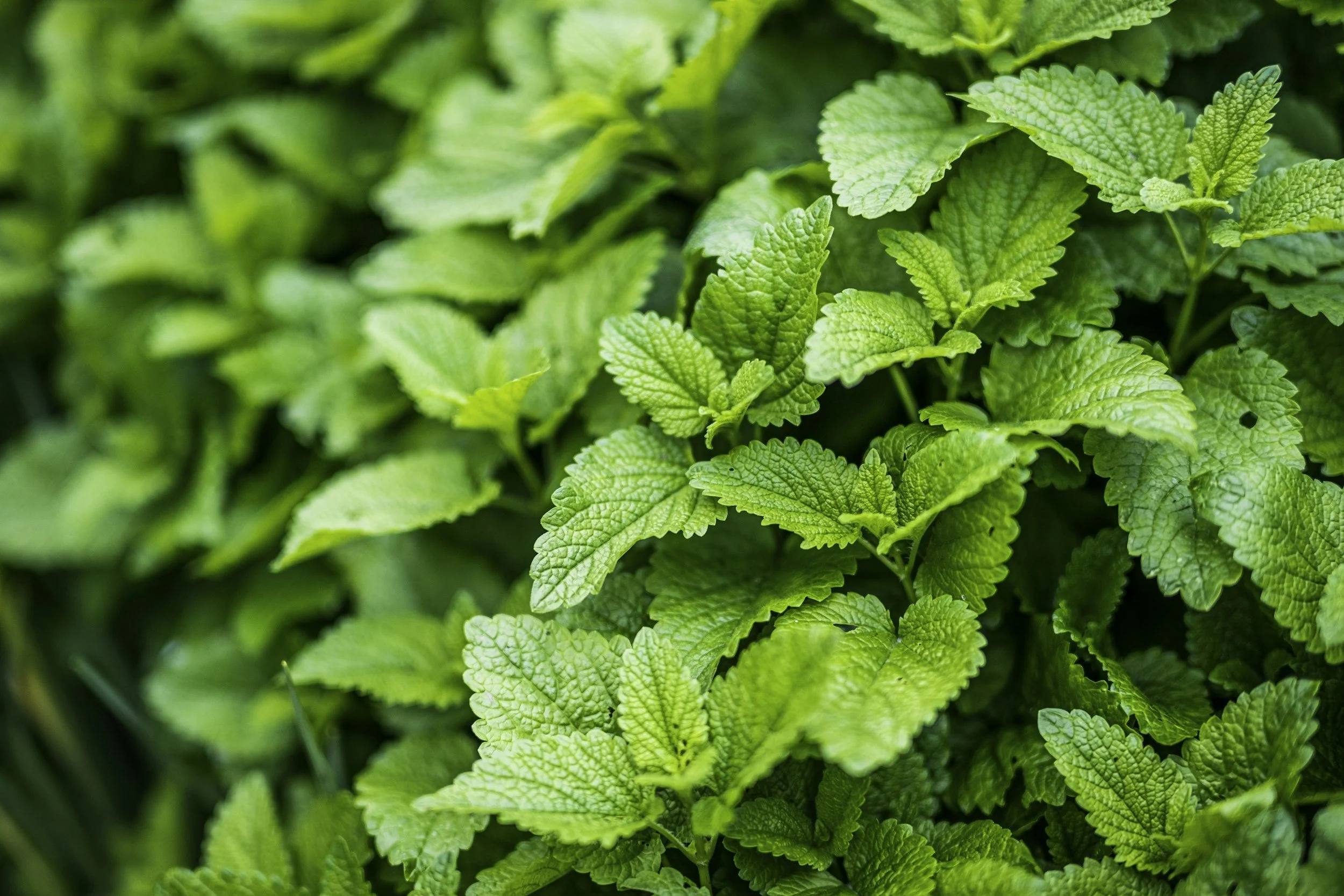
Mint
Mint (Mentha species) is a cool, aromatic herb with bright, refreshing flavour. There are many varieties—spearmint, peppermint, apple mint, chocolate mint—but spearmint is the most common in cooking. Its flavour is clean, sweet, cooling, and herbal. Mint is one of the most versatile herbs: it works in salads, drinks, desserts, sauces, vegetables, and meat dishes. Mint is best used fresh, added at the end of cooking to preserve its aroma.
Traditional uses:
Roast meats such as chicken, pork, and lamb
New potatoes and green peas
Salad dressings
Sorbets
Raita
Tea
Combines with:
Chile
Coriander
Cummin
Marjoram
Oregano
Parsley
Rosemary
Sage
Savory
Thyme
Turmeric
Vanilla
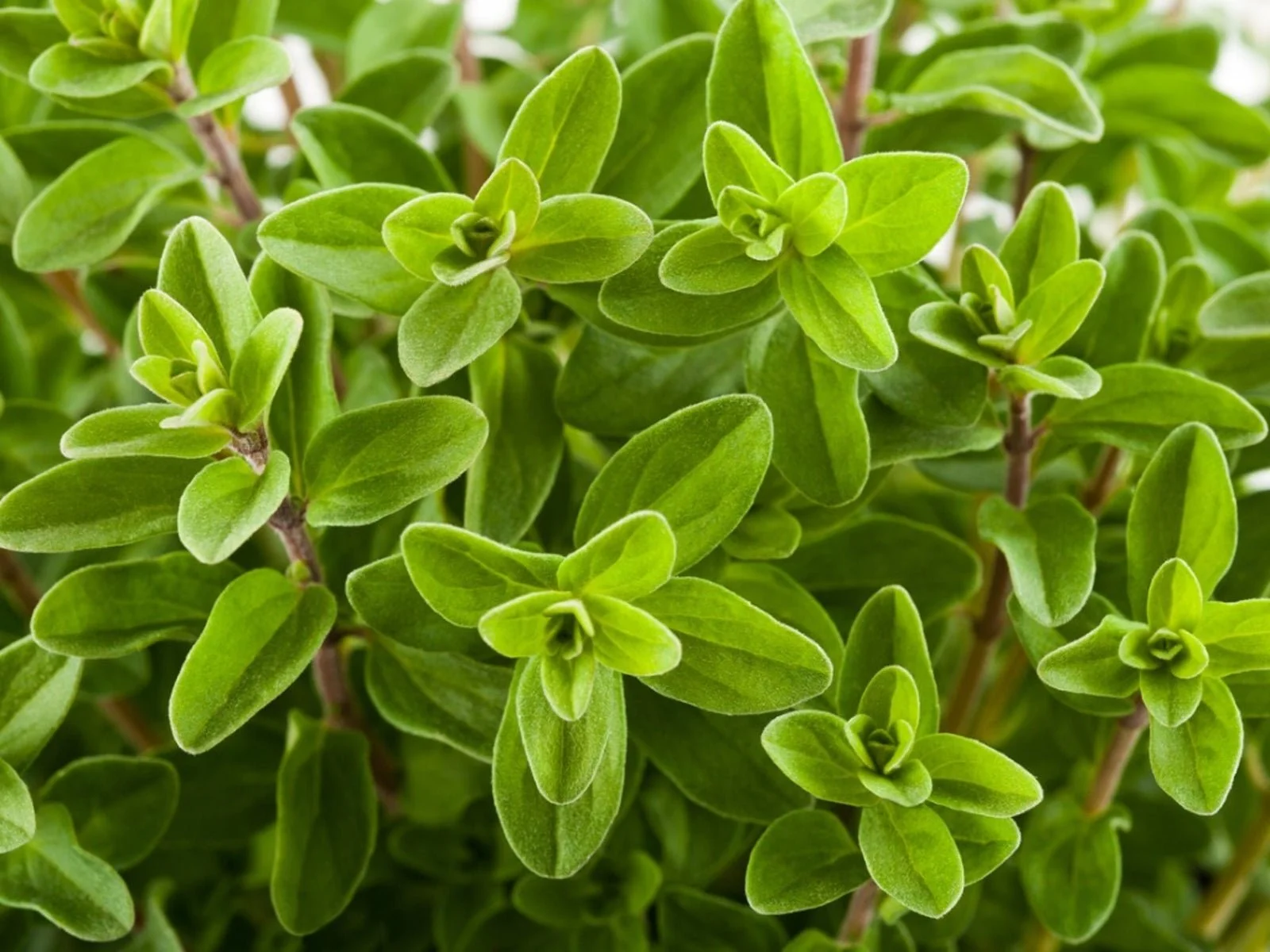
Marjoram
Marjoram (Origanum majorana) is a soft, sweet, aromatic herb in the mint family. It tastes like a gentler, sweeter, more floral version of oregano, with hints of pine, citrus, and warm spice. It’s widely used in Mediterranean, Middle Eastern, and European cooking. Marjoram is more delicate than oregano, so it’s best added toward the end of cooking or used fresh. Both fresh and dried marjoram are excellent, though the flavour differs slightly: Fresh — soft, sweet, floral. Dried — warmer, more concentrated, slightly spicier. Ingredient in bouquet garni.
Traditional uses:
Fish and vegetables
Salads
Scrambled eggs and omelets
Savoury souffles
Stuffings for poultry
Pizza
Tomato dishes
Combines with:
Basil
Bay leaf
Chile
Garlic
Oregano
Paprika
Pepper
Rosemary
Sage
Savory
Thyme
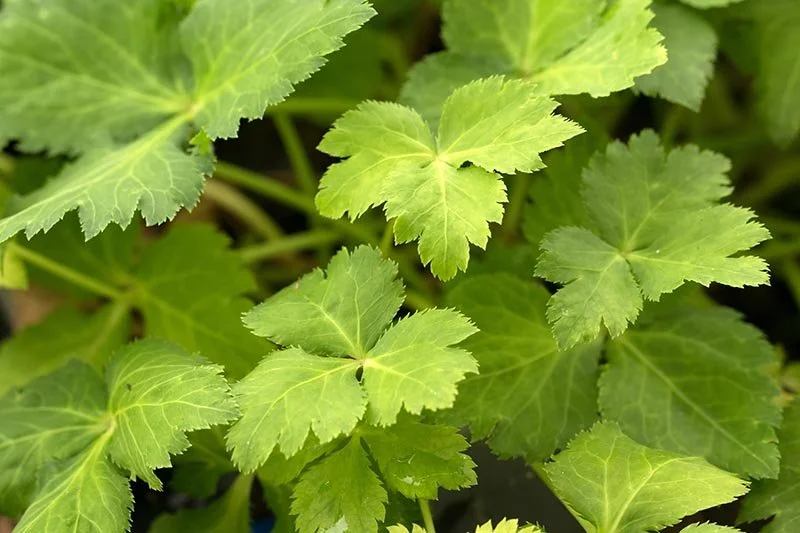
Mitsuba (Japanese parsley)
Mitsuba (Cryptotaenia japonica) is a traditional Japanese herb whose name means “three leaves.” It looks a little like flat-leaf parsley but has a gentler, more aromatic flavour—fresh, green, slightly celery‑like, with a whisper of shiso. It’s delicate, clean, and refreshing. All parts are edible: leaves, stems, and roots (the roots are used in some regional dishes). Mitsuba is used much like a finishing herb in Japanese cooking, added at the end to preserve its brightness.
Traditional uses:
Soups and noodles
Egg dishes
Salads
Steamed fish
Tofu
Vegetable and fish dishes
Combines with:
Shiso
Chives
Parsley
Sesame seed
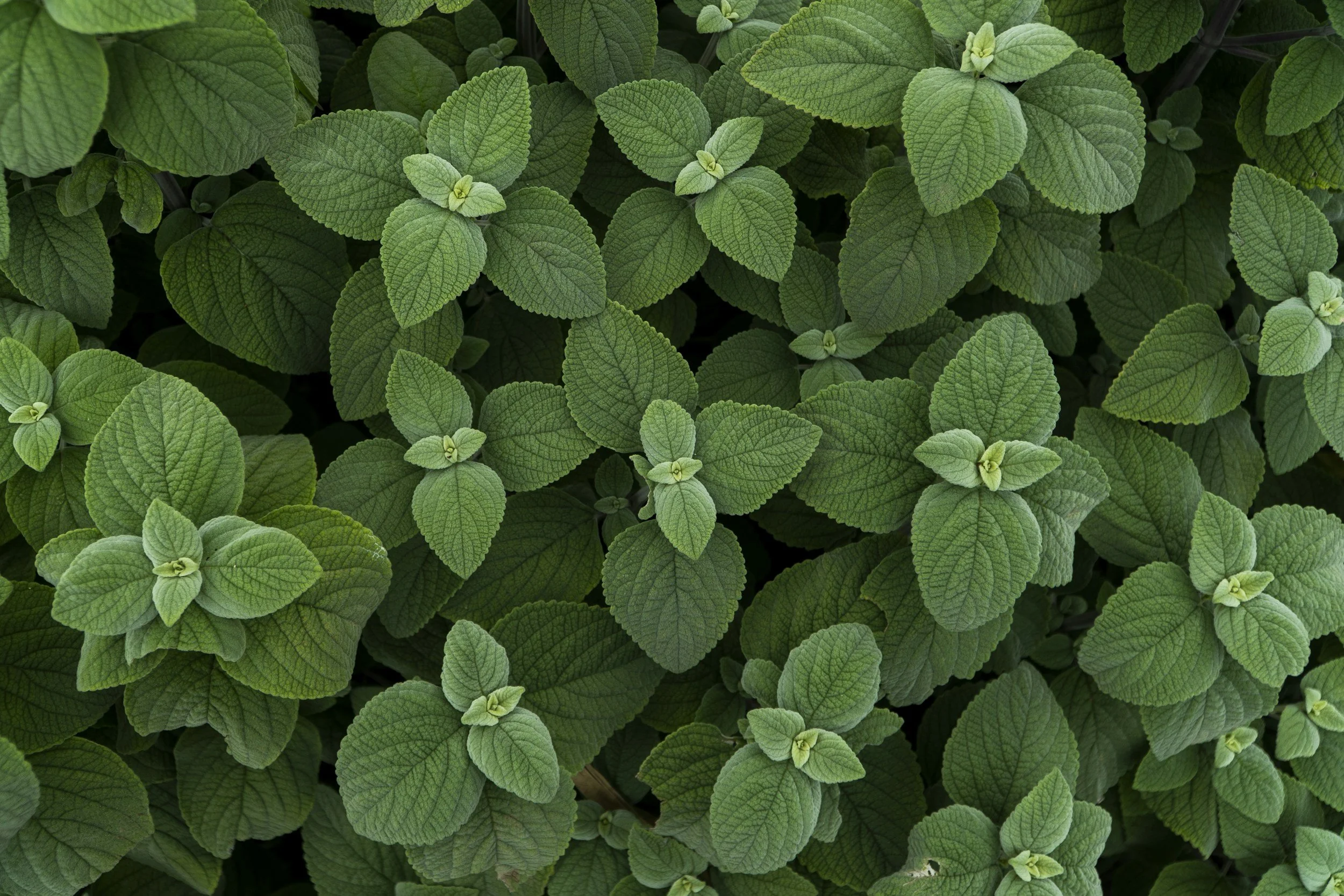
Oregano
Oregano (Origanum vulgare) is a robust, aromatic herb in the mint family with a warm, earthy, slightly peppery flavour. It’s stronger and more assertive than marjoram, with a savoury, almost woodsy depth. It’s essential in Mediterranean, Italian, Greek, Middle Eastern, and Mexican cooking. Both fresh and dried oregano are used, but dried oregano is especially valued because its flavour becomes more concentrated and complex. Ingredient in bouquet garni and herbes de Provence.
Traditional uses:
Pizza
Pasta dishes
Greek salads
Moussaka
Meat loaf
Roast beef, lamb, and pork
Combines with:
Basil
Bay leaf
Chile
Garlic
Marjoram
Paprika
Pepper
Rosemary
Sage
Savory
Thyme
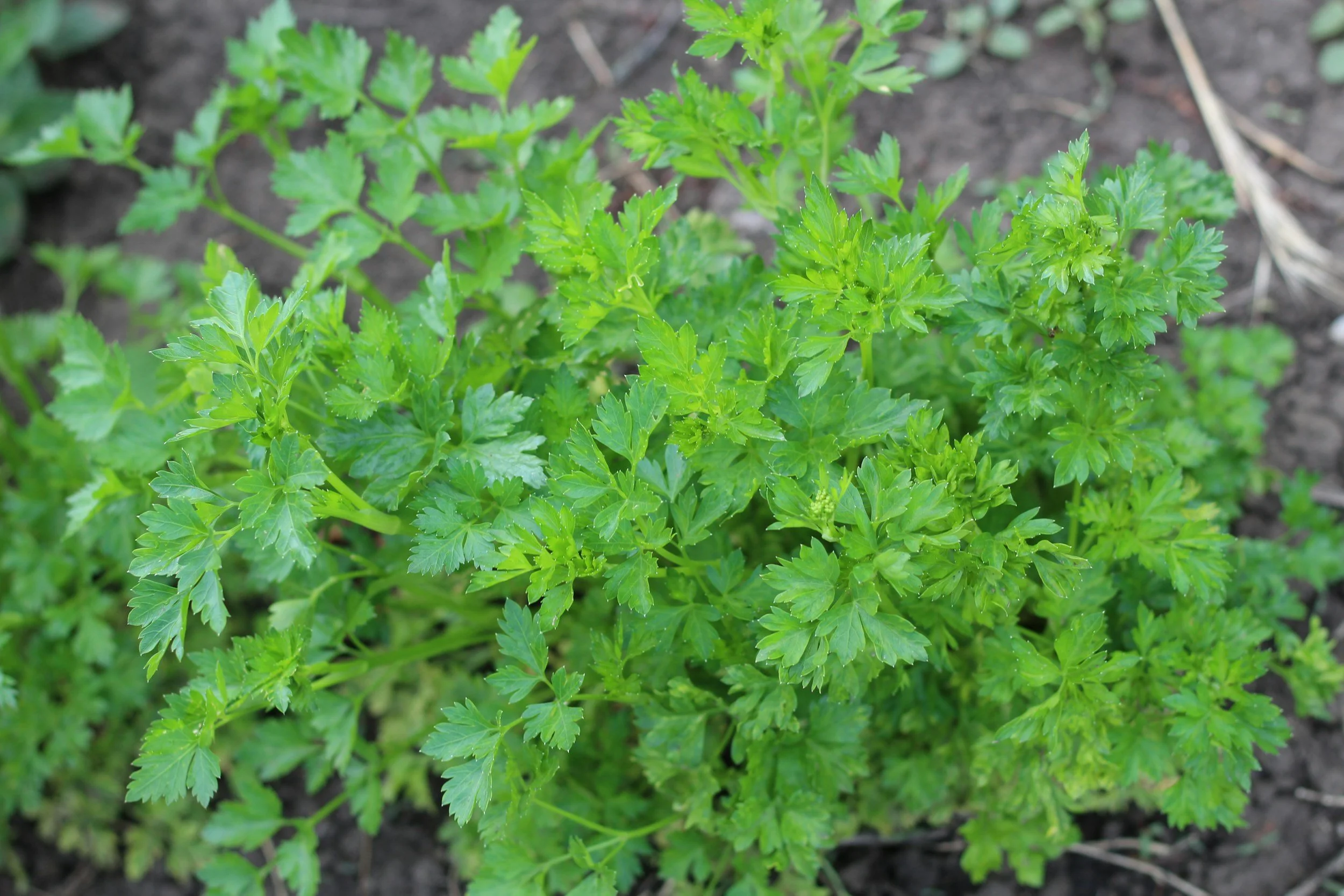
Parsley
Parsley (Petroselinum crispum) is a bright, versatile herb used in cuisines around the world. There are two main types: Flat‑leaf (Italian) parsley — stronger flavour, herbal, clean, slightly peppery. Curly parsley — milder, more textured, excellent for garnish. Parsley’s flavour is fresh, green, slightly earthy, and lightly peppery, making it one of the most adaptable herbs in the kitchen. It’s best used fresh, though dried parsley is sometimes used for colour. Ingredient in bouquet garni and fine herbs.
Traditional uses:
Chimichurri
Omelets, scrambled eggs, and savoury souffles
Mashed potatoes
Tabouli
Soups and casseroles
Pasta dishes
Combines with:
Rocket
Basi;
Bay leaf
Chervil
Chives
Dill
Fennel fronds
Garlic
Lovage
Marjoram
Mint
Oregano
Rosemary
Sag
Tthyme
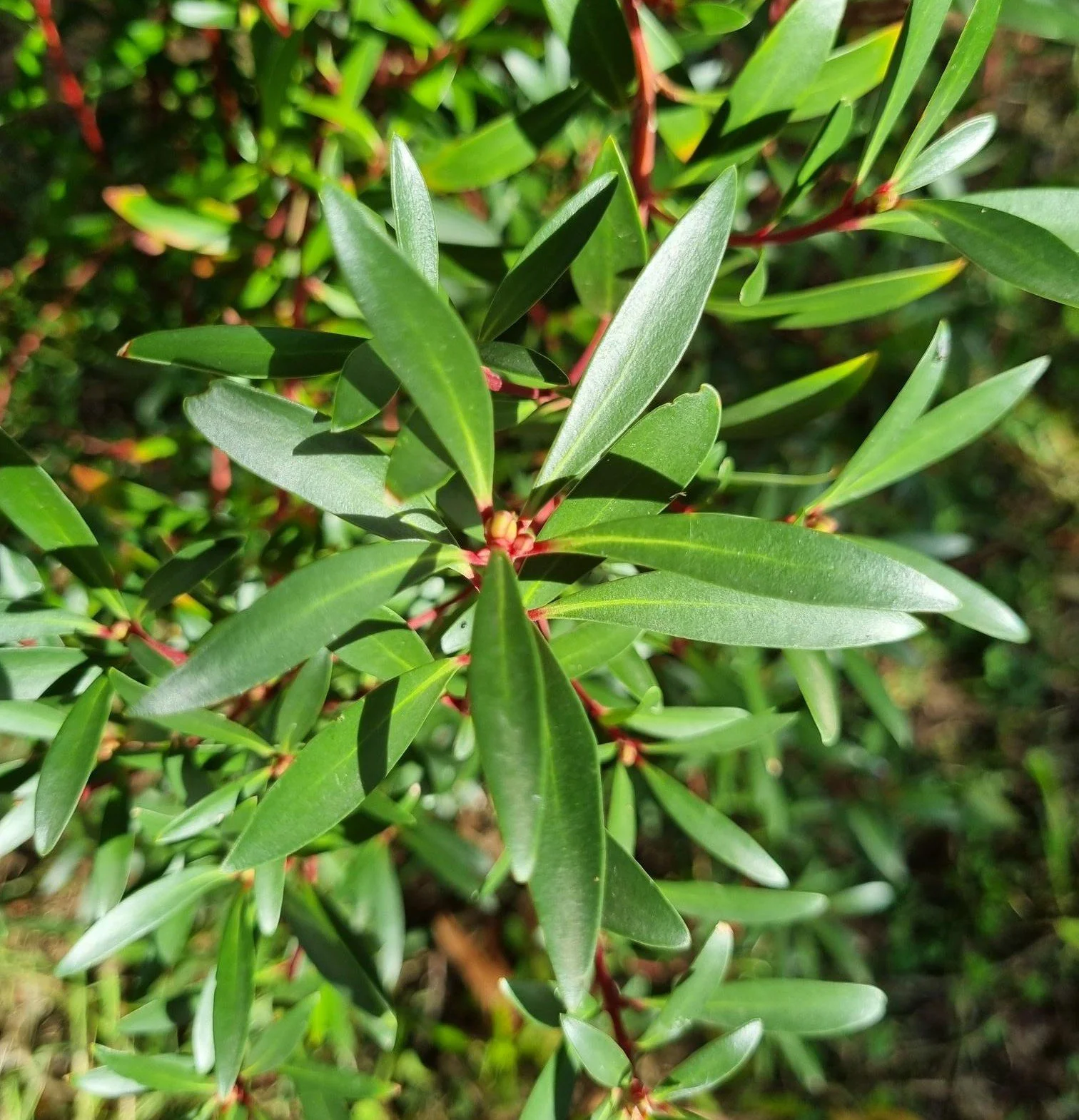
Pepperleaf (Tasmanian)
Tasmanian mountain pepper leaf (Tasmannia lanceolata) is a native Australian rainforest shrub with aromatic leaves that deliver a warm, spicy, earthy flavour and a gentle numbing heat. Its flavour is unique—peppery, herbal, slightly eucalyptus‑minty, with a slow-building heat.
It’s more aromatic and complex than black pepper, and less sharp than pepper berries. Both fresh and dried leaves are used, but dried leaves are stronger and more predictable in cooking.
Traditional uses:
Red meats and game
Seafood
Egg dishes
Sauces
Soups and casseroles
Curries
Combines with:
Basi;
Bay leaf
Coriander
Ginger
Lemongrass
Lemon myrtle
Mustard seed
Wattle seed
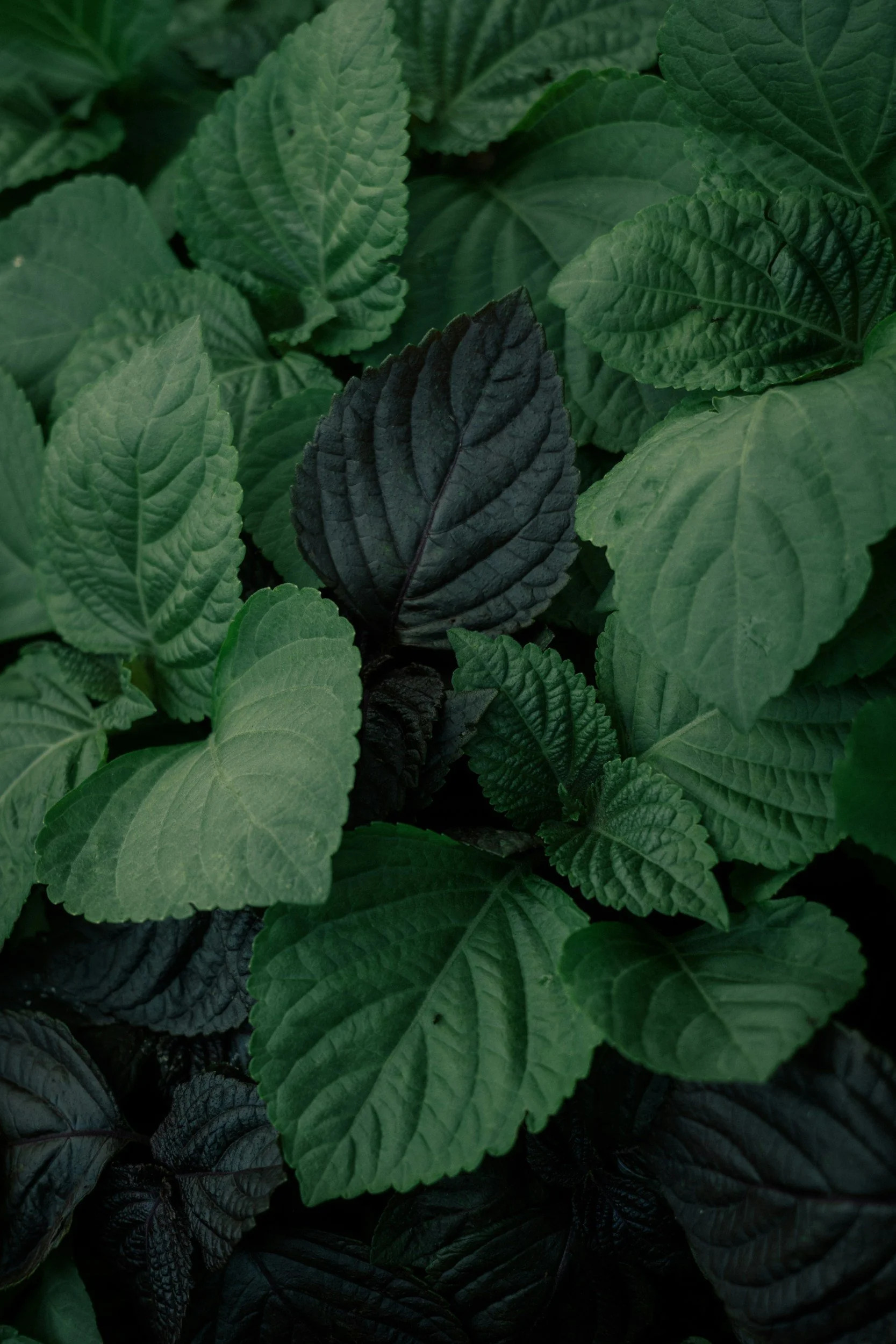
Perilla (Shiso)
Shiso (Perilla frutescens var. crispa) is a Japanese herb in the mint family with a bold, aromatic flavour. There are two main types: Green shiso (aojiso) — bright, herbal, minty, slightly citrusy, with hints of basil and anise. Red shiso (akajiso) — earthier, more tannic, slightly fruity; used for pickling and colouring. Shiso is refreshing, complex, and uniquely Japanese. It’s used both fresh and pickled, and adds a clean, aromatic lift to many dishes.
Traditional uses:
Sashimi
Kimchi
Spring roles
Salads
Soups
Noodle and rice dishes
Combines with:
Rocket
Basil
Chervil
Chives
Dill
Fenne; fronds
Garlic
Mint
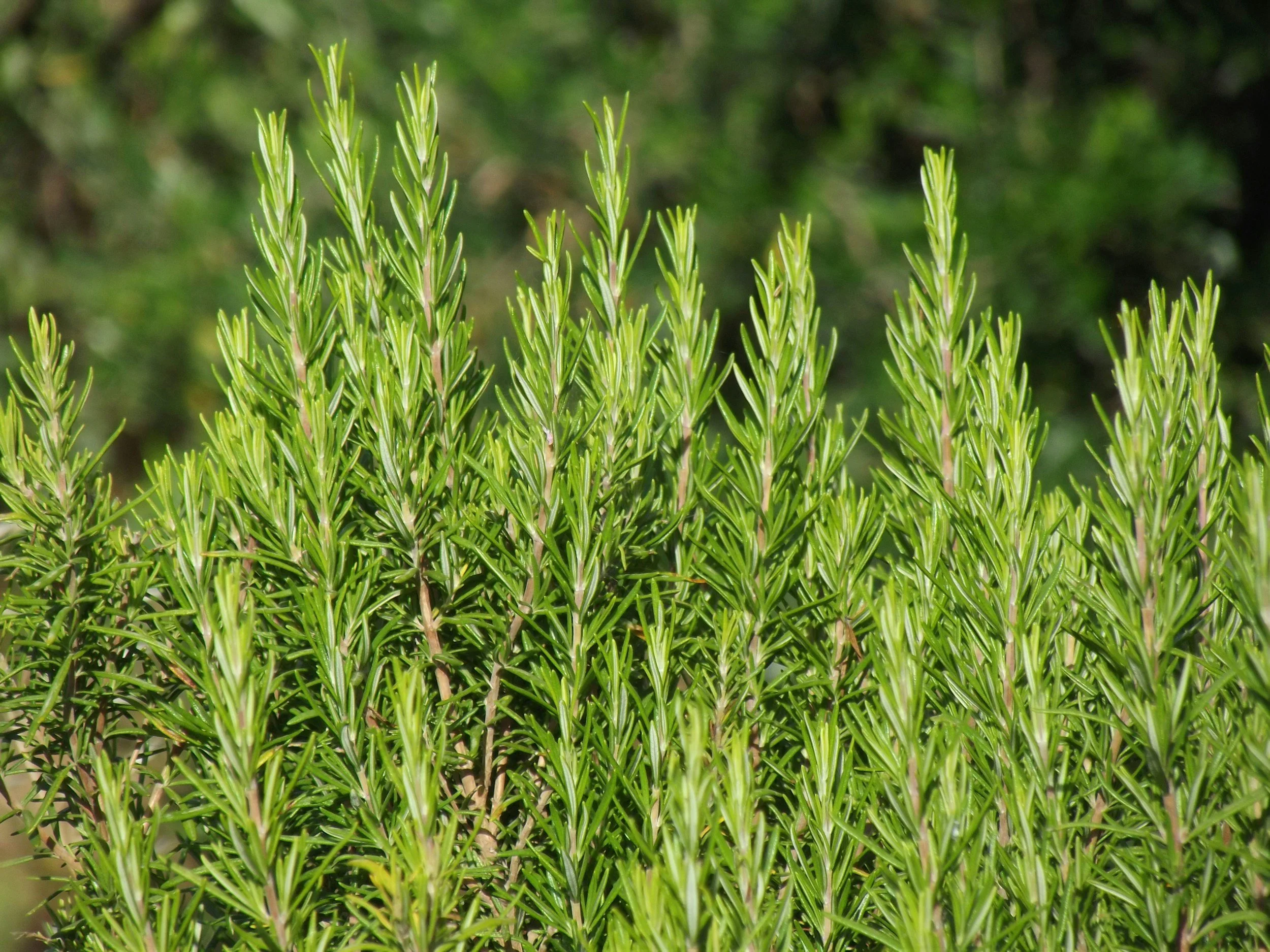
Rosemary
Rosemary (Salvia rosmarinus) is a woody, aromatic Mediterranean herb with needle‑like leaves and a bold, resinous flavour. Its aroma is piney, citrusy, slightly peppery, and deeply savoury. It’s a strong herb that stands up to high heat, long cooking, and rich flavours. Both fresh and dried rosemary are widely used, though fresh has a brighter, more complex aroma. Ingredient in herbes de Provence
Traditional uses:
Scones
Foccacia
Pork, lamb and duck
Mashed potatoes
Roasted potatoes and vegetables
Zucchini and eggplant dishes
Soups and casseroles
Combines with:
Basil
Bay leaf
Coriander seed
Garlic
Nutmeg
Oregano
Paprika
Sage
Savoury
Tarragon
Thyme
Sage
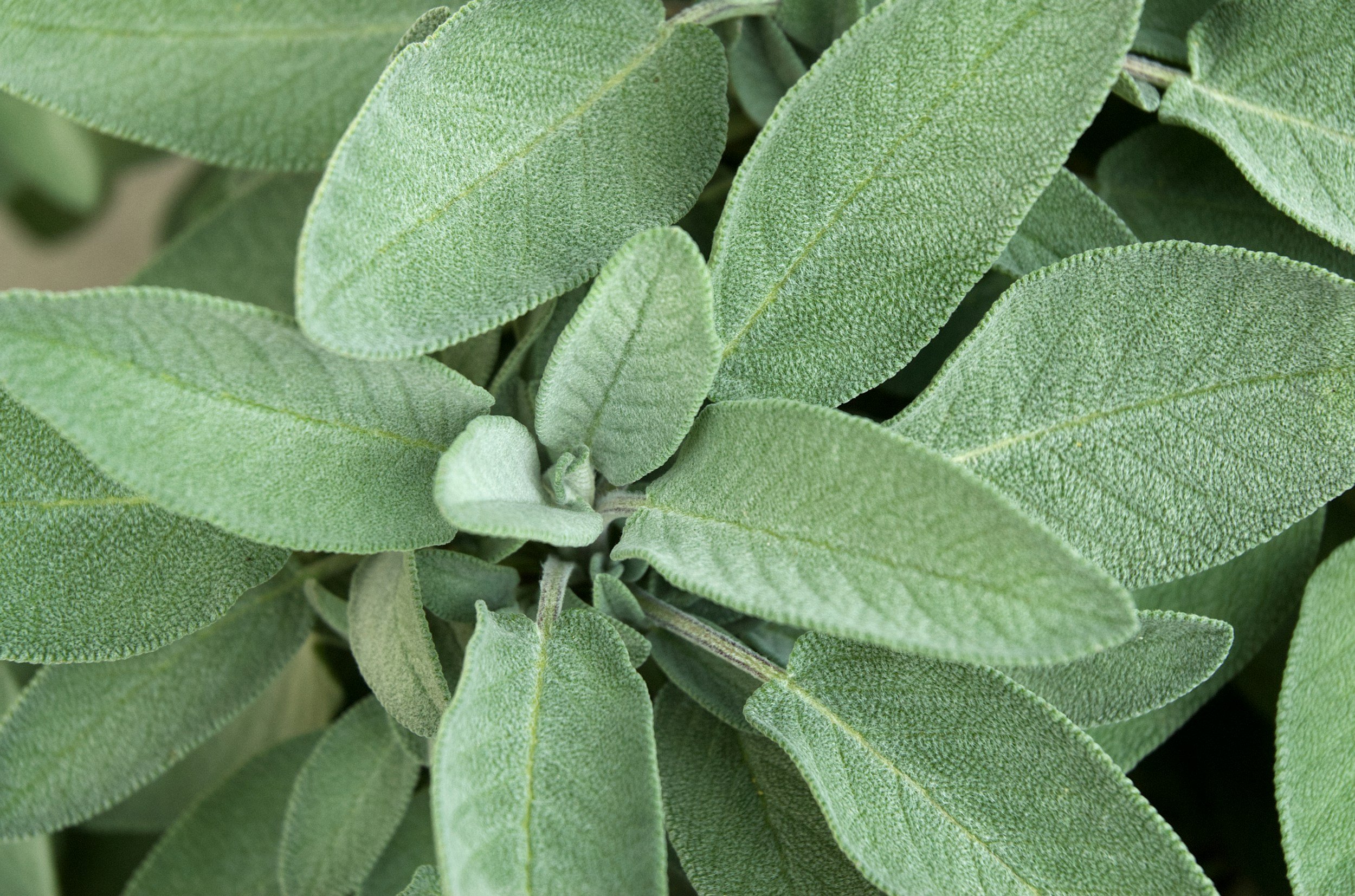
Sage (Salvia officinalis) is a soft, velvety-leafed Mediterranean herb with a warm, earthy, resinous, slightly peppery flavour. It has notes of pine, eucalyptus, and citrus, with a savoury depth that stands up to rich foods. It’s a strong herb—best used thoughtfully. Both fresh and dried sage are excellent, though fresh has a more complex aroma.
Traditional uses:
Rich, fatty food such as pork, goose, and duck
Bread stuffings
Scones
Soups and casseroles
Roast meats
Burnt butter to go with gnocchi
Combines with:
Basil
Bay leaf
Chives
Garlic
Marjoram
Mint
Oregano
Paprika
Parsley
Pepper
Rosemary
Savoury
Tarragon
Thyme
Salad burnet
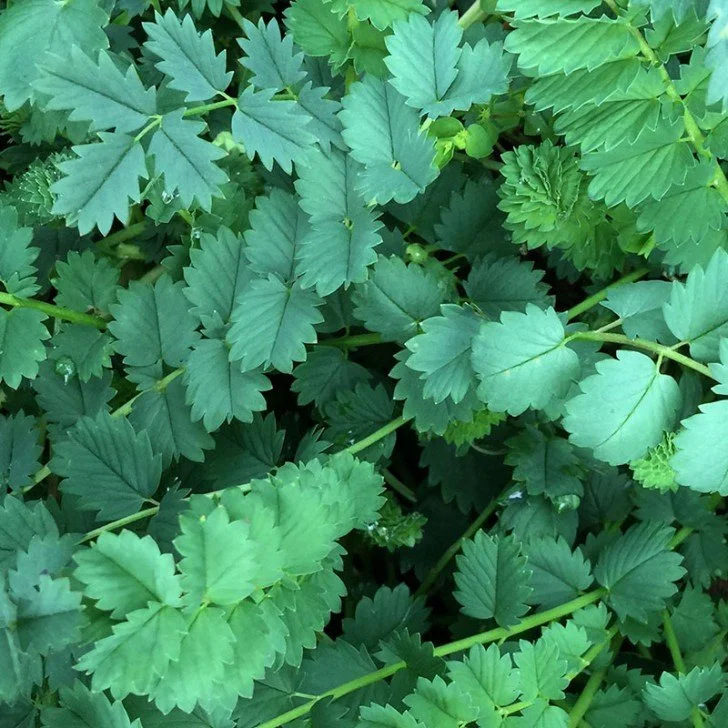
Salad burnet (Sanguisorba minor) is a perennial herb with delicate, serrated leaves and a fresh, clean flavour often described as cucumber‑like with a hint of nuttiness and green apple. It’s mild, refreshing, and best used fresh. Heat dulls its flavour, so it’s usually added at the end of cooking or used raw. Salad burnet is common in European cottage gardens and traditional English cooking, especially in salads and herb mixes.
Traditional uses:
Salads
Chilled soups
Herb sandwiches
Scrambled eggs and omelets
Combines with:
Basil
Chervil
Coriander
Lovage
Oregano
Parsley
Vietnamese mint
Savoury
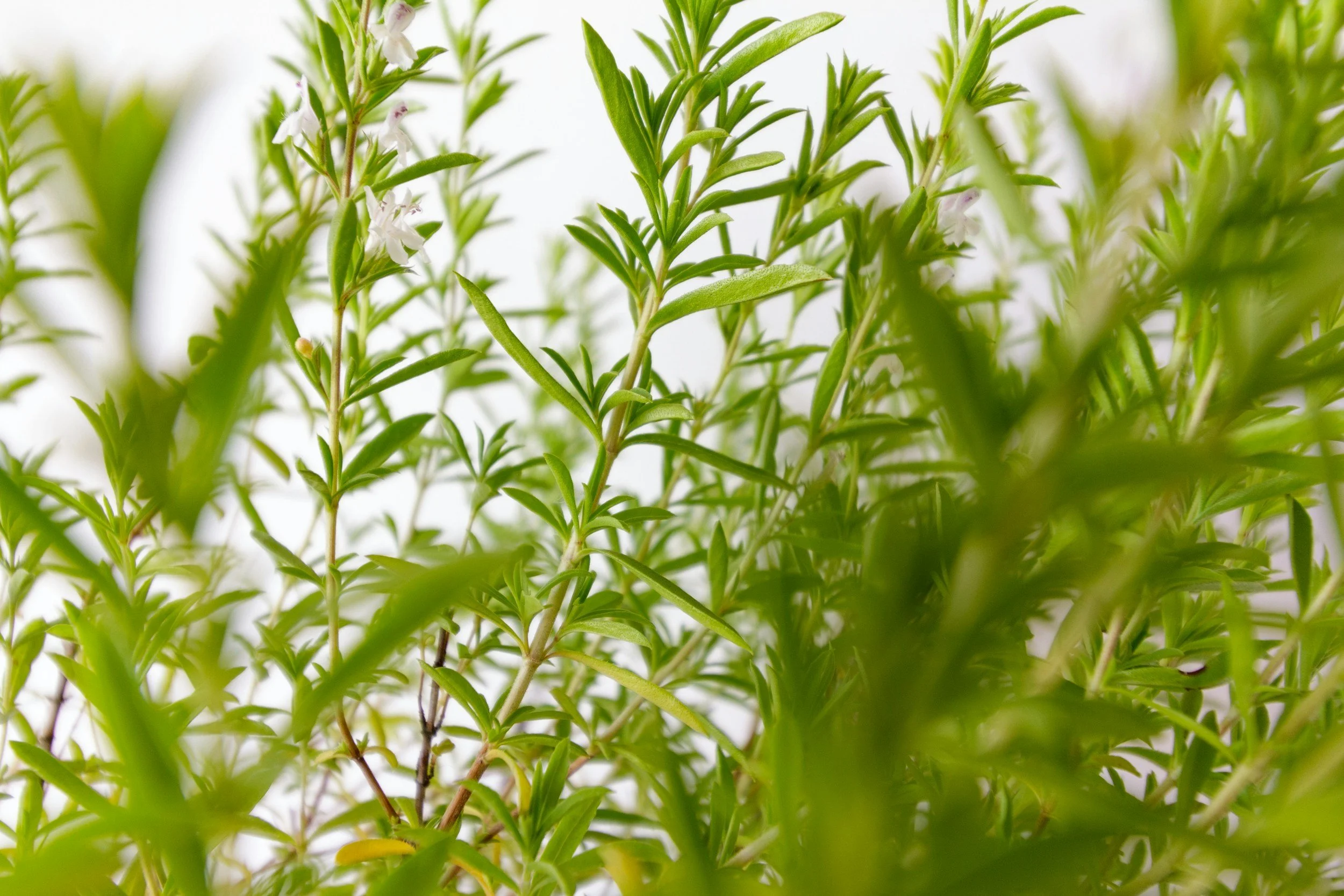
Savoury (Satureja species) is an aromatic herb in the mint family with a peppery, herbal, slightly resinous flavour. There are two main culinary types: Summer savoury (Satureja hortensis) — lighter, sweeter, more delicate; similar to thyme with a peppery lift. Winter savoury (Satureja montana) — stronger, woodier, more pungent; closer to rosemary or thyme in intensity. Both are classic in European cooking, especially in bean dishes, meats, and hearty vegetable recipes. Savoury is often called the “bean herb” because of how well it pairs with legumes. Ingredient in bouquet garni and fine herbs
Traditional uses:
Beans
Peas
Lentils
Egg dishes
Soups and casseroles
Bread stuffings
Pork, veal, and poultry
Fish
Combines with:
Basil
Bay leaf
Coriander seed
Garlic
Marjoram
Nutmeg
Oregano
Paprika
Rosemary
Sage
Tarragon
Thyme
Tarragon (French)
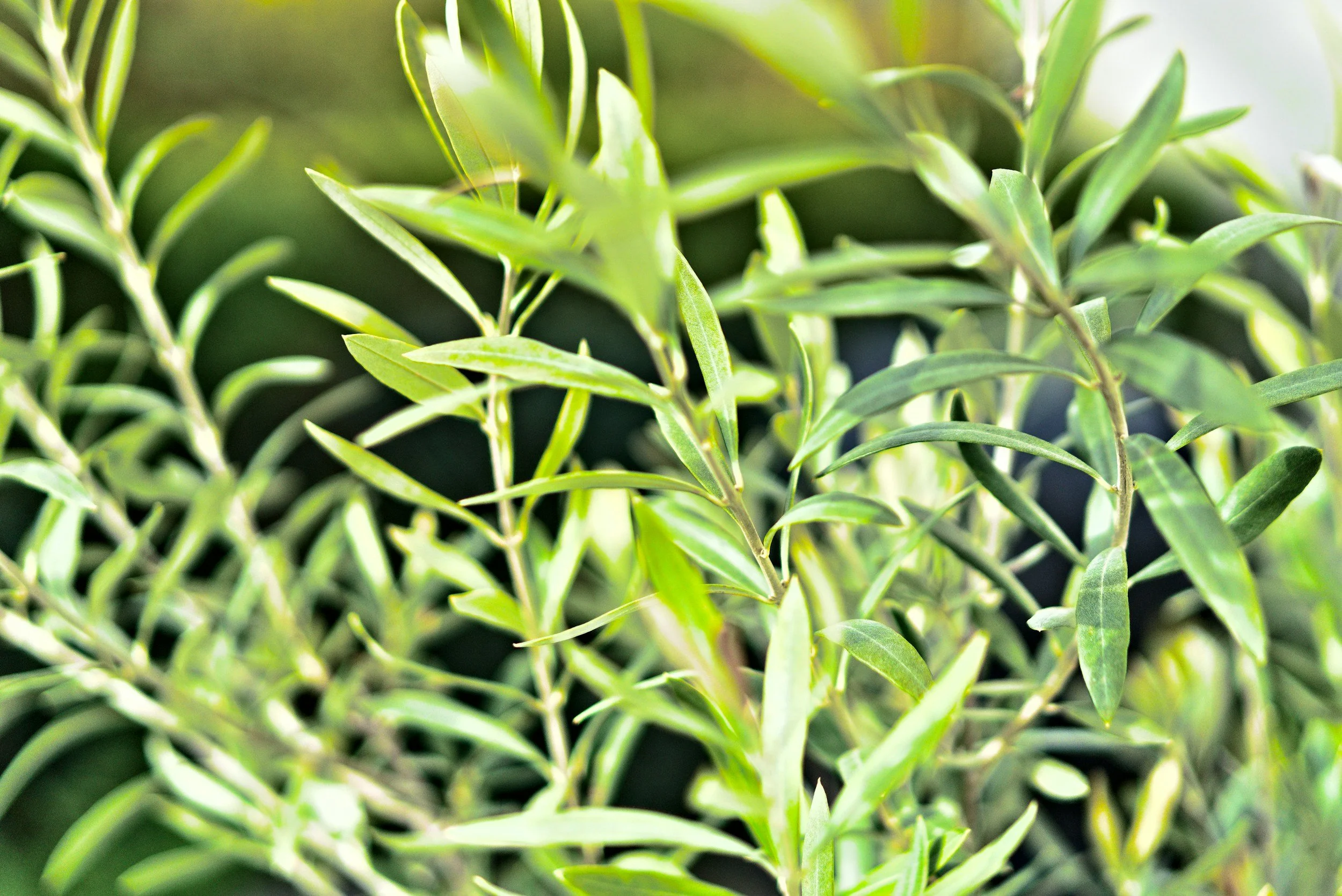
Tarragon (Artemisia dracunculus) is a classic European herb with slender green leaves and a distinctive sweet anise–licorice aroma. There are two main types: French tarragon — the true culinary variety; aromatic, sweet, elegant. Russian tarragon — coarser, grassy, far less flavourful. French tarragon is delicate and volatile, so it’s best used fresh and added at the end of cooking. It’s one of the defining herbs of French cuisine. Ingredient in fine herbs.
Traditional uses:
Tartare and bearnaise sauces
Salad dressings and vinegars
Fish and shelfish
Chicken
Turkey
Veal and game
Egg dishes
Combines with:
Basil
Bay leaf
Chervil
Dill
Garlic
Lovage
Marjoram
Paprika
Parsley
Savoury

Tarragon (Mexican)
Mexican tarragon (Tagetes lucida), also called Texas tarragon, Spanish tarragon, or Mexican mint marigold, has a flavour remarkably similar to French tarragon—sweet, anise‑like, slightly floral, but stronger. The leaves are glossy and aromatic; the yellow flowers are edible and lightly sweet. Mexican tarragon is excellent fresh or dried, and holds its flavour better in cooking than French tarragon.
Traditional uses:
Tartare and bearnaise sauces
Salad dressings and vinegars
Fish and shelfish
Chicken
Turkey
Veal and game
Egg dishes
Combines with:
Basil
Bay leaf
Chervil
Dill
Garlic
Lovage
Marjoram
Paprika
Parsley
Savoury
Thyme
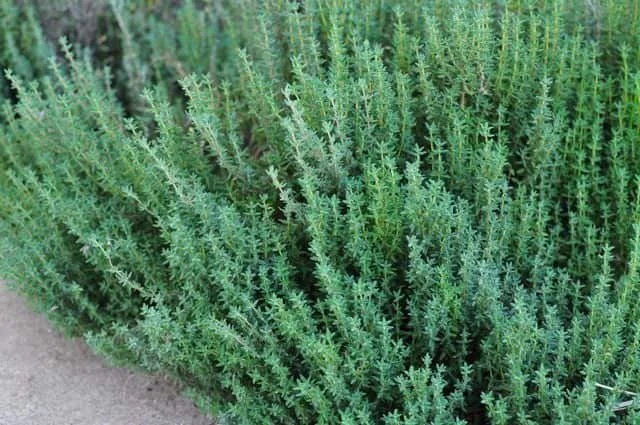
Thyme (Thymus vulgaris) is a small, woody Mediterranean herb with tiny leaves and a warm, earthy, slightly minty, lemon‑pine aroma. It’s one of the most versatile savoury herbs and a backbone of European, Middle Eastern, and North African cooking. Although there are many varieties, common thyme (Thymus vulgaris), lemon thyme (Thymus citriodorus), and pizza thyme (Thymus nummularius) are the ones with culinary significance. Thyme holds up beautifully to long cooking, high heat, and roasting, and is excellent both fresh and dried. Ingredient in bouquet garni and herbes de Provence.
Traditional uses:
Soups and casseroels
Meat loaf
Pates
Terrines
Sausages
Potato salad
Roasted potatoes and vegetables
Combines with:
Basil
Bay leaf
Coriander seed
Garlic
Marjoram
Mint
Paprika
Rosemary
Sage
Savory
Tarragon
Vietnamese mint
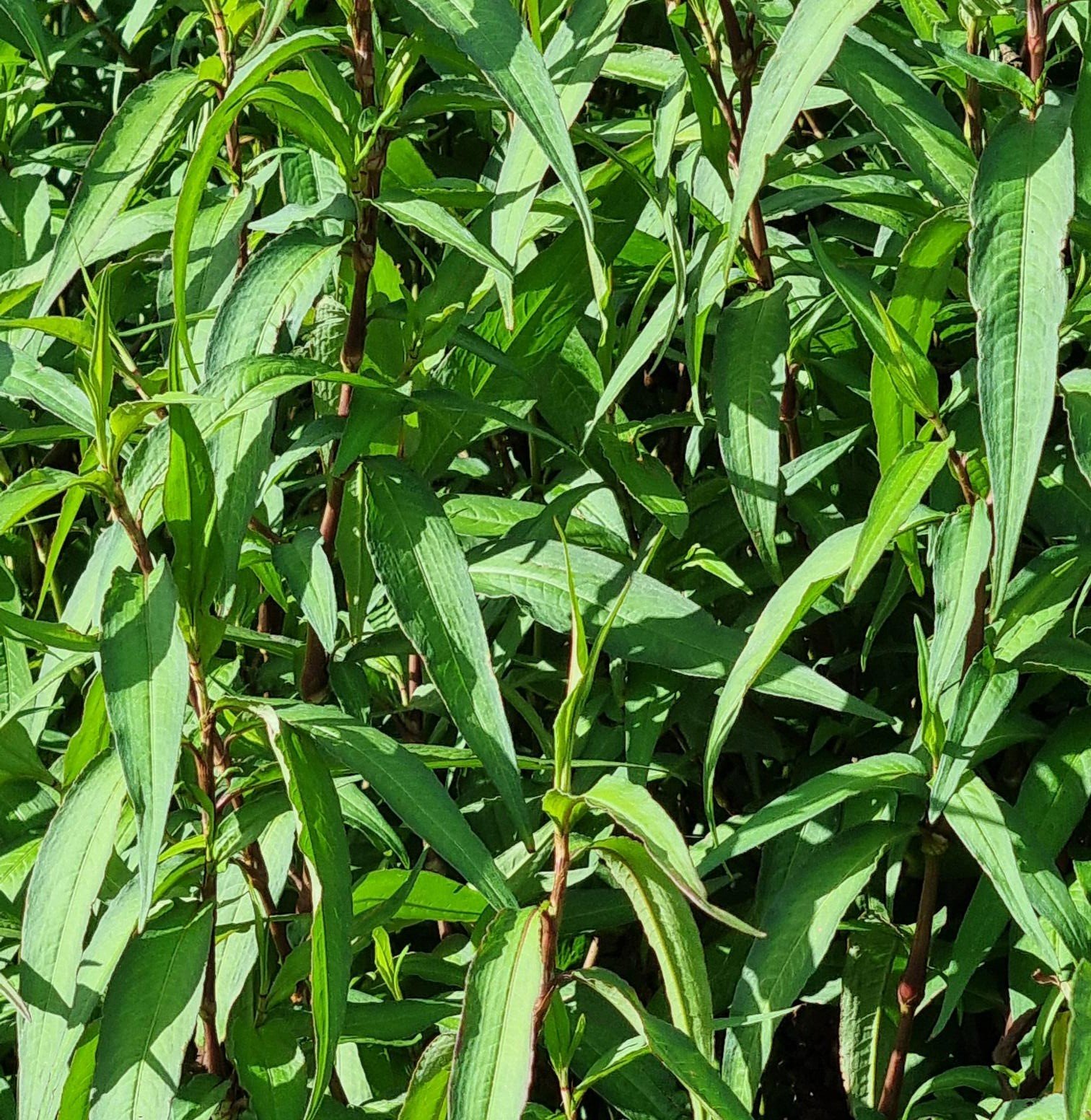
Vietnamese mint (Polygonum odoratum) also known as rau răm, is a bright, peppery herb with a minty-citrusy note and a slight bite. Belongs to the same family as sorrel (Polygonaceae). Distinguishing from common mint: more peppery and coriander-like, with a mild anise or citrus edge. Leaves are typically narrow and pointed.
Traditional uses:
Asian soups such as laksa
Asian curries and stir-fries
freshs green salads
Dipping sauces
Spring roles
Combines with:
Basil
Cardamom
Chili
Coriander
Cumin
Curry leaf
Galangal
Ginger
Pepper
Star anise
Tamarind
Turmeric